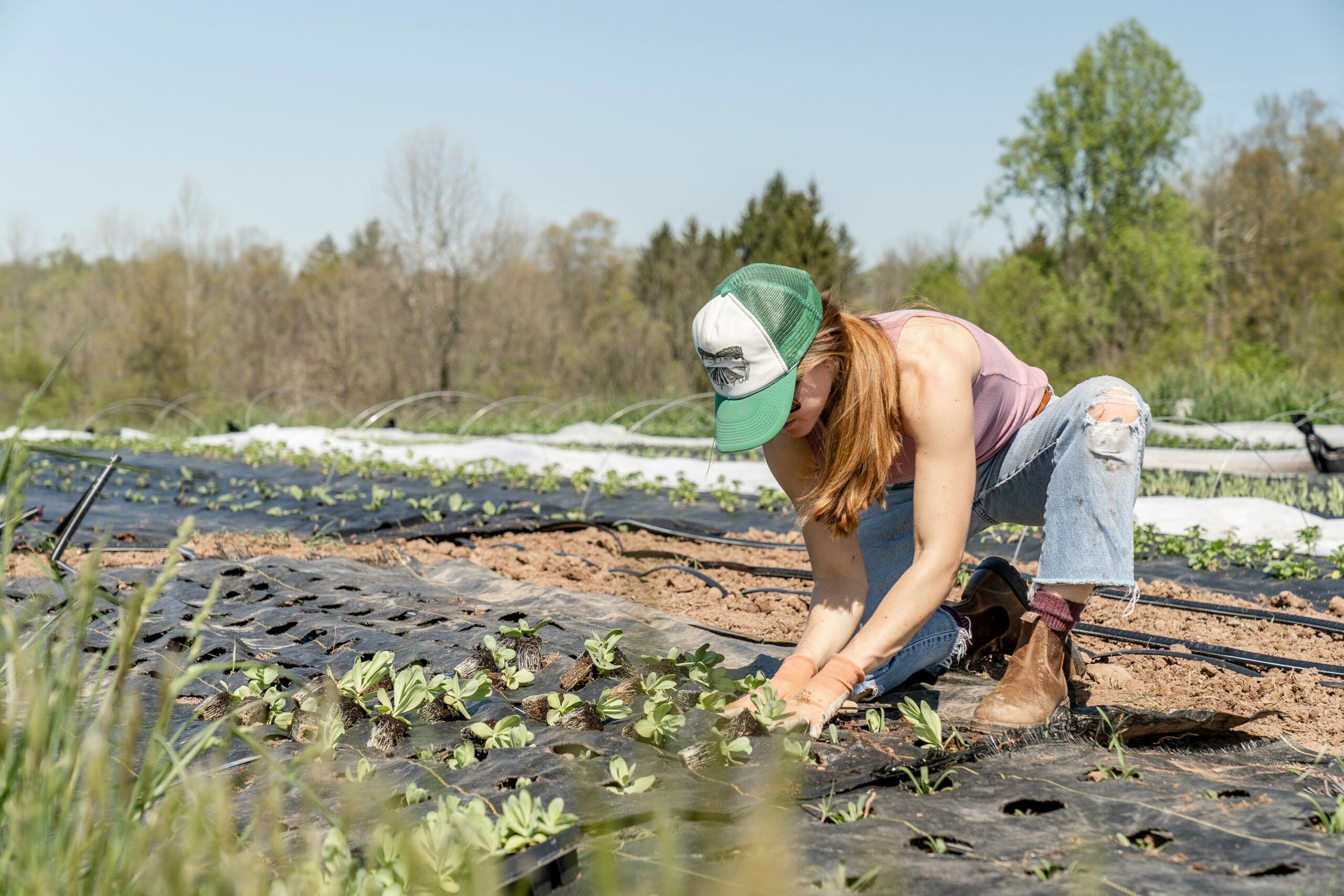
Introduction to the World of Farming and Sustainability Farming and sustainable agriculture represent a vital intersection of livelihood and ecological stewardship. The traditional practices of farming have evolved significantly, adapting to the challenges posed by environmental degradation, climate change, and an increasing global population. Sustainable agriculture, in particular, emphasizes techniques that are not only economically viable but also environmentally sound and socially responsible. This approach includes practices such as crop rotation, organic farming, and agroecology, which contribute to the long-term health of our ecosystems. In today’s world, where consumers are increasingly aware of the origins of their food and the environmental impact of agricultural practices, the importance of sustainable farming cannot be overstated. Individuals and families are seeking ways to support local farmers while ensuring that their food sources are sustainable. Moreover, the rising popularity of farmers’ markets and community-supported agriculture (CSA) initiatives showcases a growing interest in farm life and ecological responsibility. This shift underscores a collective acknowledgment of the need for sustainable food systems that prioritize not just production, but also environmental preservation. A podcast dedicated to these themes serves as an innovative platform to educate and engage listeners about the intricacies of farm life and sustainable practices. Through storytelling and expert interviews, a podcast can illuminate the challenges and rewards of farming, while providing insights into the significance of sustainable agriculture. This auditory medium allows for dynamic discussions that can inspire change and promote awareness among a diverse audience. In an age where digital content is pivotal in shaping opinions and driving movements, a podcast can play a crucial role in connecting consumers with the sustainable practices that support both their health and the health of the planet. Identifying Your Target Audience Understanding the target audience is pivotal for the success of any podcast, especially one centered on farm life and sustainable agriculture. The interest in these topics extends beyond conventional farming communities; it encompasses a diverse range of individuals, including urban dwellers, aspiring farmers, environmental advocates, and food enthusiasts. Each of these groups has unique interests and motivations that should be explored and addressed through tailored content. Urban dwellers, for instance, may be drawn to the podcast out of curiosity about local food systems and the sustainability initiatives within their regions. By focusing on stories about community-supported agriculture, local farmers’ markets, and urban gardening, the podcast can attract this demographic. Additionally, aspiring farmers looking to understand the nuances of farm life or seeking guidance on sustainable practices represent another key audience segment. Content that offers practical advice, success stories, and challenges faced in starting a sustainable farm could resonate well with this group. Environmental advocates and food enthusiasts are also vital audiences to consider. Advocates might be interested in discussions around ecological farming practices, biodiversity, and the impact of agriculture on climate change. Conversely, food enthusiasts may seek out content discussing the origins of different food products, recipes, and the importance of supporting sustainable agriculture. By conducting thorough research on these demographics, one can identify specific interests and commonly shared values that will inform content creation. Utilizing surveys, social media analytics, and audience feedback can provide invaluable insights into their preferences and demographics. Engaging with potential listeners through platforms like Facebook, Instagram, and Twitter can reveal interests, opinions, and content preferences, allowing for the design of episodes that genuinely resonate. By employing these strategies, podcasters can ensure they engage effectively with their audience, thus fostering a deeper connection to the themes of farm life and sustainable agriculture. Choosing Podcast Format and Structure When creating a podcast centered around farm life and sustainable agriculture, selecting the appropriate format and structure is crucial to captivate and retain your audience. Various podcast formats can be tailored to deliver compelling content, each offering unique benefits. One popular format is the interview style, wherein the host engages with experienced farmers or experts in sustainable agriculture. This format not only facilitates authentic conversations but also provides listeners with diverse perspectives and insights that they might not easily access elsewhere. Storytelling episodes present another viable option, as they enable hosts to share personal narratives or experiences from the farming community. This approach adds a relatable and emotional layer to the information, fostering a deeper connection with the audience. Incorporating educational segments can also prove beneficial, as these episodes can focus on specific practices, tips, or innovations in sustainable agriculture, thus providing actionable knowledge to listeners interested in implementing green initiatives on their own farms. Roundtable discussions are yet another format worth considering. These sessions allow multiple guests to discuss pressing topics related to farm life and sustainability, encouraging a dynamic exchange of ideas that can highlight the complexities of this field. In terms of episode structure, maintaining a consistent episode length—ideally between 30 to 60 minutes—helps manage listeners’ expectations. Regularity in release frequency, such as weekly or bi-weekly episodes, also fosters audience loyalty. Moreover, the narrative style should be engaging and informative, blending storytelling with factual information to ensure listeners remain captivated throughout the episode. By thoughtfully choosing a podcast format and structuring episodes effectively, podcasters can create an enriching platform that resonates with those passionate about farm life and sustainable agriculture. Content Planning: Topics and Themes When embarking on the creation of a podcast about farm life and sustainable agriculture, effective content planning is crucial. Establishing a diverse array of topics and themes will not only engage your audience but also contribute to the overall depth of knowledge shared through the podcast. Among the key subjects to consider are crop rotation, organic farming techniques, community-supported agriculture, and the impact of climate change on farming practices. Crop rotation is a fundamental aspect of sustainable agriculture that enhances soil health and reduces pest populations. Discussing the various methods of crop rotation can provide invaluable insights for both novice and experienced farmers. It is essential to address how different crops can benefit the soil differently, promote biodiversity, and ultimately lead to healthier harvests. Furthermore, organic farming techniques serve as another pertinent topic, allowing listeners
- +260-76-459-8985
- mupunduenergy@mdware.co.uk
- Plot No. 2344, Lelayi LSK, ZM