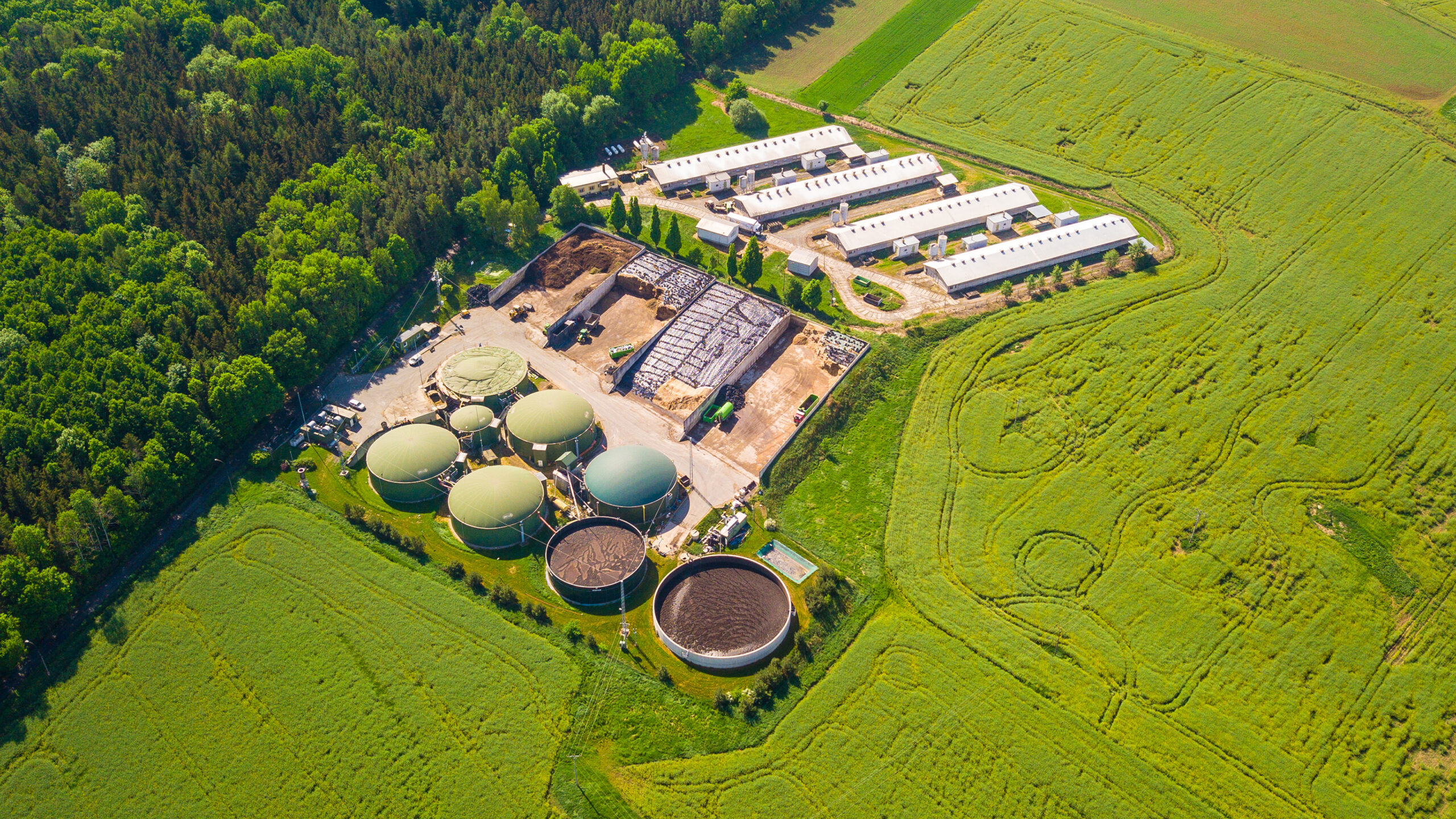
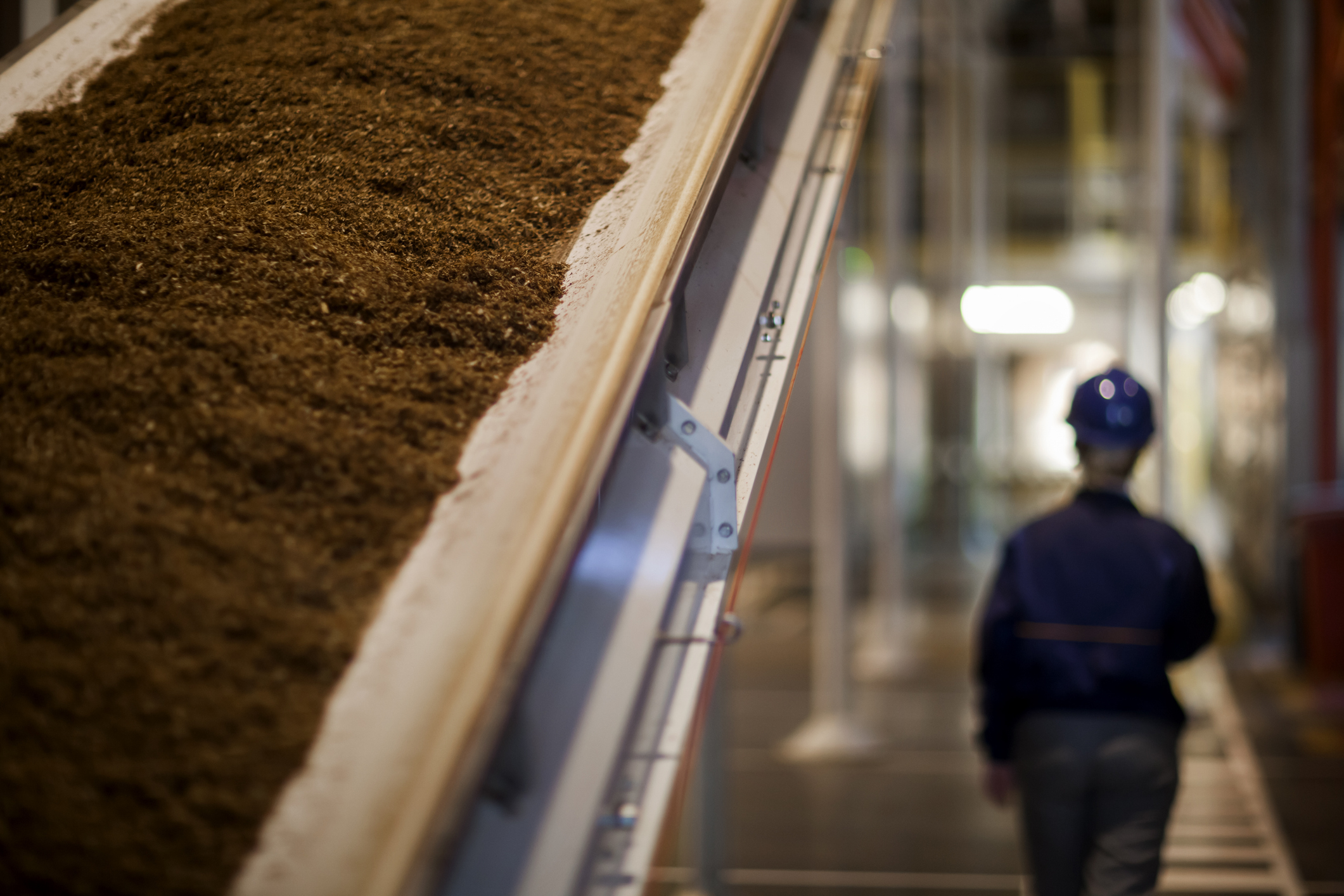
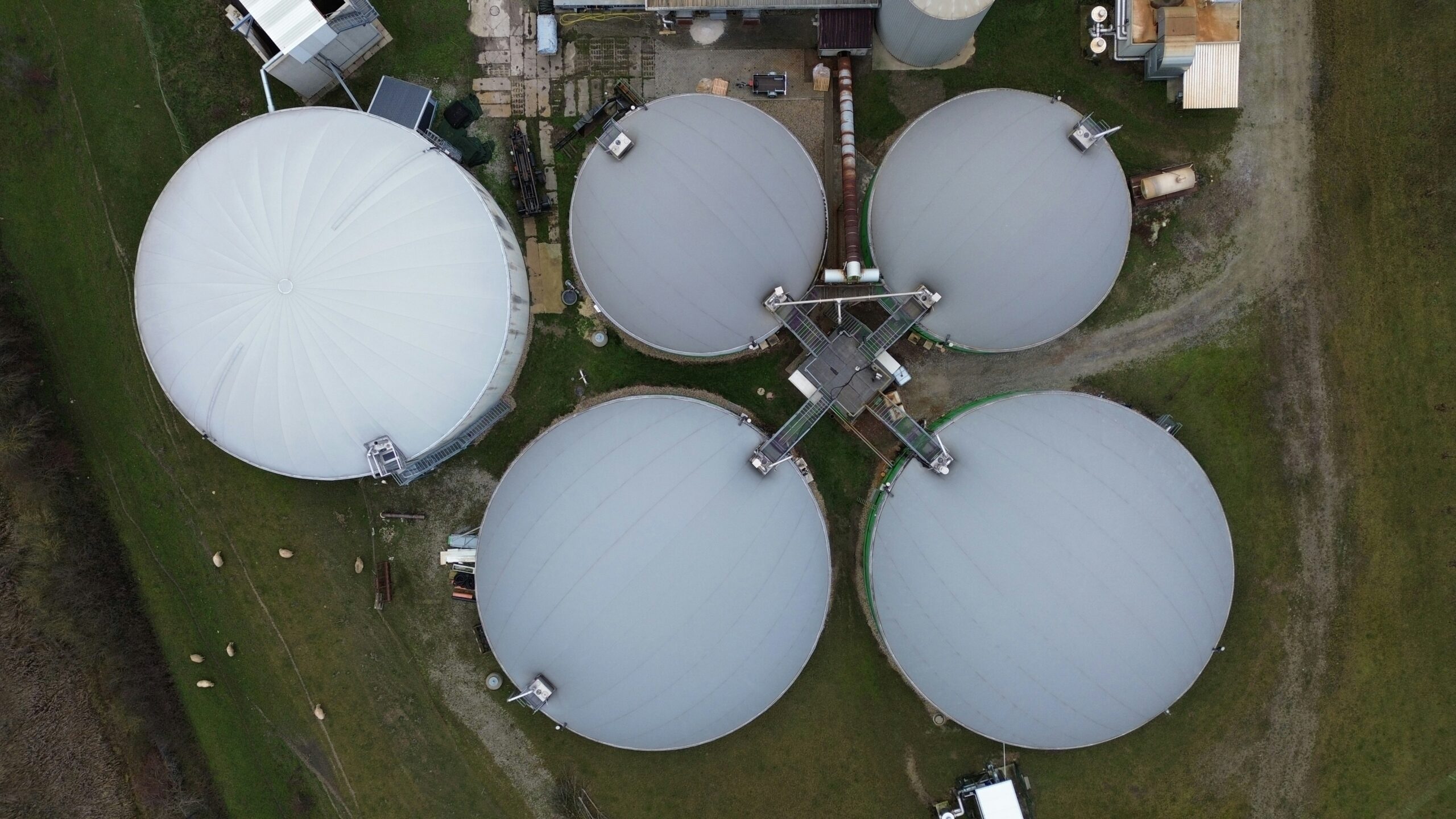
Introduction to Mupundu Energy and Sustainable Energy Solutions Mupundu Energy is an innovative organization dedicated to providing sustainable energy solutions to communities in need. With a mission centered around improving access to clean and affordable energy, Mupundu Energy aims to foster environmental sustainability while enhancing the quality of life for those it serves. The commitment to sustainable energy aligns with global efforts to address climate change, reduce greenhouse gas emissions, and promote public health. At the heart of Mupundu Energy’s mission is the introduction of clean cooking fuels, which serve as a vital component in reducing the harmful effects associated with traditional cooking methods. Many households rely on biomass, coal, or kerosene for their cooking needs, resulting in dangerous indoor air pollution and significant environmental degradation. By transitioning to cleaner alternatives, Mupundu Energy not only mitigates health risks but also contributes to the conservation of natural resources. Clean cooking fuels, such as biogas, ethanol, and liquefied petroleum gas (LPG), play a crucial role in advancing both public health and ecological sustainability. These alternatives produce fewer emissions, significantly lowering the risk of respiratory diseases linked to indoor air pollutants. Furthermore, the adoption of cleaner fuels reduces deforestation and the depletion of local ecosystems, fostering improved environmental stewardship. This holistic approach to energy empowers communities, enabling them to make informed decisions about their energy consumption and its impact on health and the environment. As Mupundu Energy continues its mission, the organization emphasizes the importance of community engagement and education in promoting the benefits of clean cooking solutions. By raising awareness and providing resources, Mupundu Energy is paving the way for a healthier future while advocating for sustainability. The adoption of cleaner fuel alternatives represents not just a necessity but an opportunity to transform lives for the better, underlining the significant role of energy solutions in contemporary society. The Problem with Traditional Cooking Fuels Traditional cooking fuels, such as firewood and charcoal, have been integral to culinary practices in many parts of the world. However, their pervasive use presents significant challenges that impact both the environment and public health. One critical issue is the deforestation associated with the harvesting of firewood, which contributes to habitat destruction and loss of biodiversity. Deforestation not only affects the environment but also disrupts the balance of ecosystems, leading to climate change concerns. As forests are cleared for cooking fuel, carbon dioxide is released, exacerbating greenhouse gas emissions. In addition to environmental consequences, traditional cooking methods often lead to severe health risks, primarily due to indoor air pollution. The burning of firewood and charcoal releases harmful pollutants, including carbon monoxide and particulate matter, which can result in respiratory ailments and other serious health issues. Women and children are particularly vulnerable, as they are often responsible for cooking and may spend extensive time near the cooking fire. Studies have shown that exposure to these pollutants can lead to chronic obstructive pulmonary disease, lung cancer, and other respiratory infections. The urgency for sustainable alternatives in cooking practices is becoming increasingly evident. Not only do traditional fuels contribute to environmental degradation, but they also perpetuate a cycle of health problems that disproportionately affect marginalized communities. Recognizing these challenges is crucial for promoting cleaner cooking solutions, such as Mupundu Energy’s clean cooking fuel, which can mitigate the adverse effects of conventional fuels. Shifting towards sustainable cooking alternatives could significantly improve both environmental outcomes and public health, making it essential for communities to consider the long-term benefits of cleaner fuels. Mupundu Energy’s Clean Cooking Fuel: Process and Accessibility Mupundu Energy’s clean cooking fuel is the result of a meticulously designed process that harnesses the principles of anaerobic digestion. This innovative method transforms organic waste materials into biogas, a sustainable energy source that significantly mitigates health and environmental risks associated with traditional cooking methods. The anaerobic digestion process involves the breakdown of organic matter, such as food scraps and agricultural residues, by microorganisms in a controlled, oxygen-free environment. This biological decomposition yields biogas, which primarily consists of methane, a highly efficient fuel for cooking and heating. The process begins with the collection of organic waste from local households and farms. Mupundu Energy ensures that this waste is sourced responsibly, reducing landfill strains and promoting a circular economy. Once collected, the organic materials are subjected to anaerobic digestion within biogas digesters. Here, the materials are heated and agitated, creating optimal conditions for microbial activity, which promotes the conversion of the waste to biogas over a period of time. After the biogas is produced, it undergoes a purification and compression process, which enhances its quality and ensures that it meets the required standards for safe use in households. This clean cooking fuel is then packaged conveniently for distribution. Mupundu Energy has established a robust supply chain that simplifies accessibility for communities, ensuring that clean cooking solutions are within reach. These efforts empower families to transition from harmful fuels such as firewood or charcoal to a sustainable alternative that not only preserves the environment but also improves indoor air quality. As awareness of the health and environmental benefits of clean cooking fuel grows, Mupundu Energy continues to lead the way in promoting sustainable energy practices that elevate community health and foster environmental stewardship. Benefits of Clean Cooking Fuel: Environmental, Health, and Economic Impacts The adoption of Mupundu Energy’s clean cooking fuel offers a multitude of benefits that span environmental, health, and economic dimensions. Firstly, from an environmental perspective, utilizing clean cooking fuels significantly contributes to the reduction of deforestation. Traditional cooking methods often rely on wood, which leads to excessive tree cutting and diminishes natural resources. By shifting to clean cooking fuel, the pressure on forests is alleviated, thus promoting biodiversity and preserving ecosystems. Moreover, the use of clean cooking fuel greatly diminishes greenhouse gas emissions. Traditional fuels such as coal and biomass release harmful pollutants when burned, exacerbating climate change and causing air quality deterioration. In contrast, Mupundu Energy’s solutions produce fewer emissions, contributing to a cleaner atmosphere and aiding in global efforts to combat
- +260-76-459-8985
- mupunduenergy@mdware.co.uk
- Plot No. 2344, Lelayi LSK, ZM