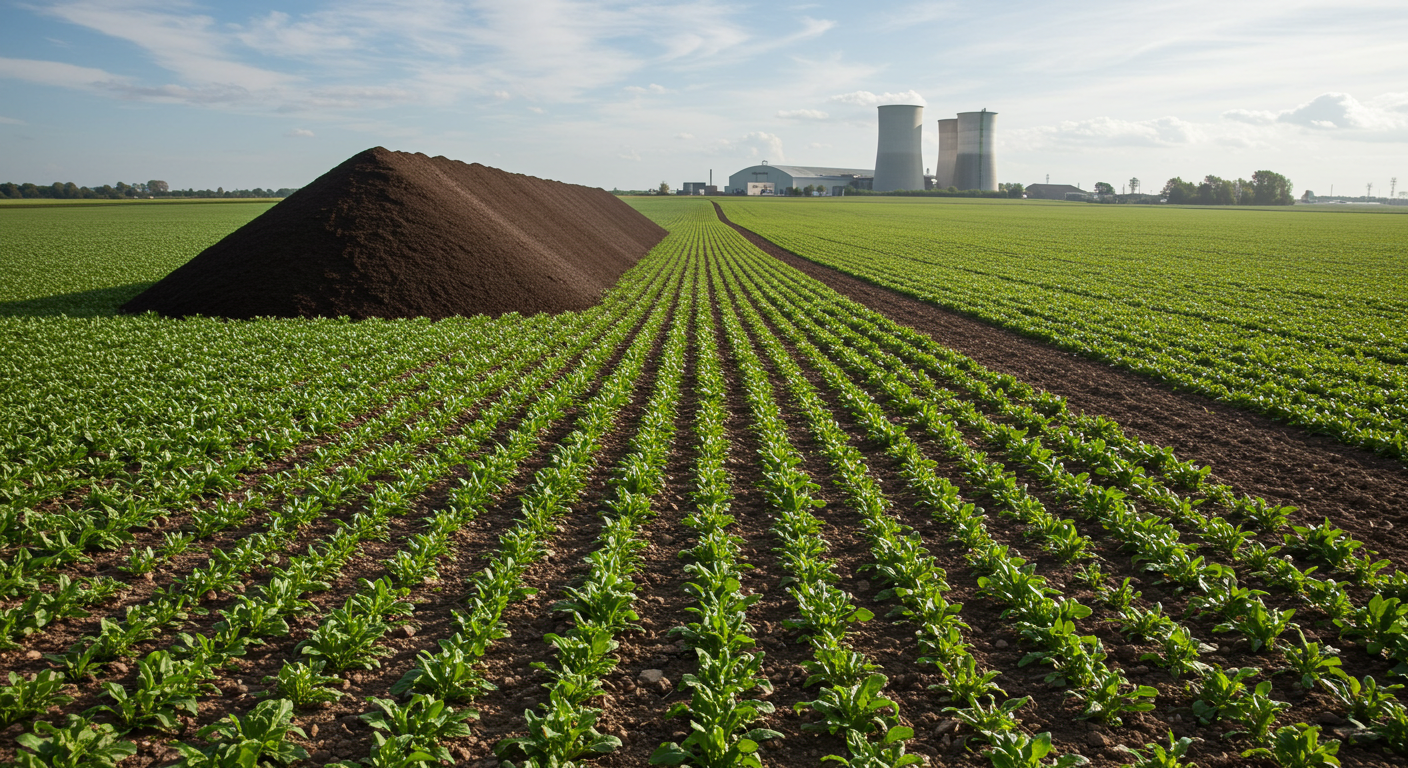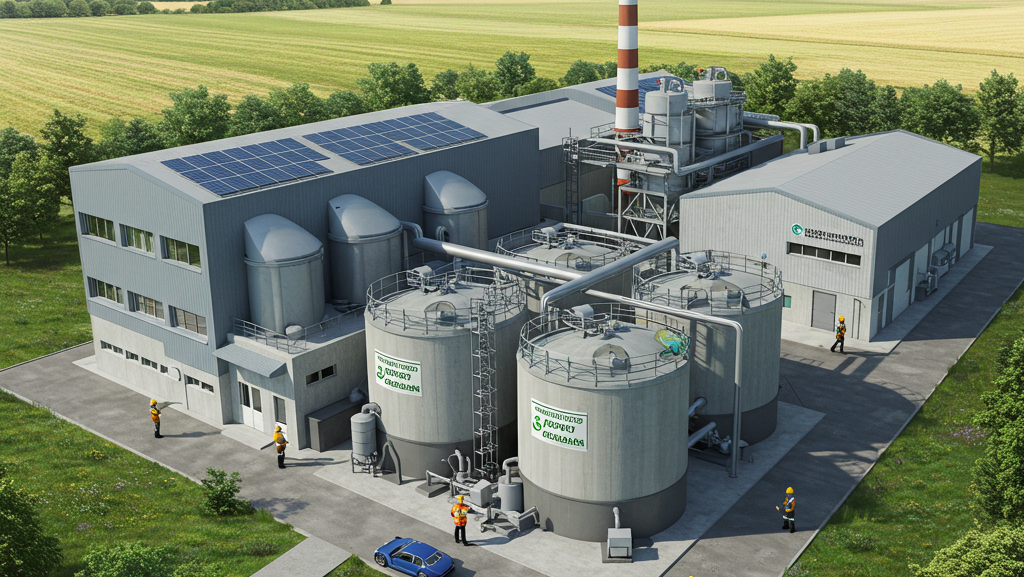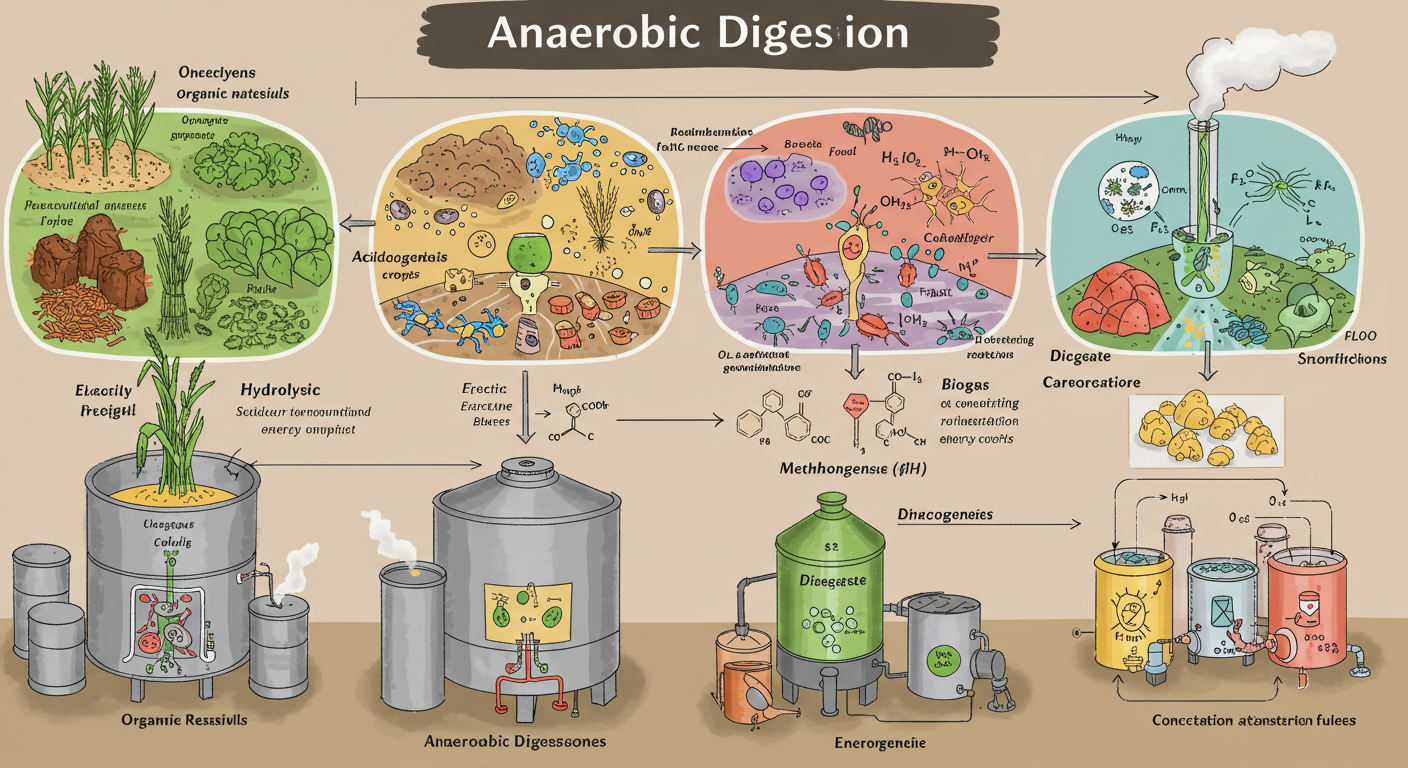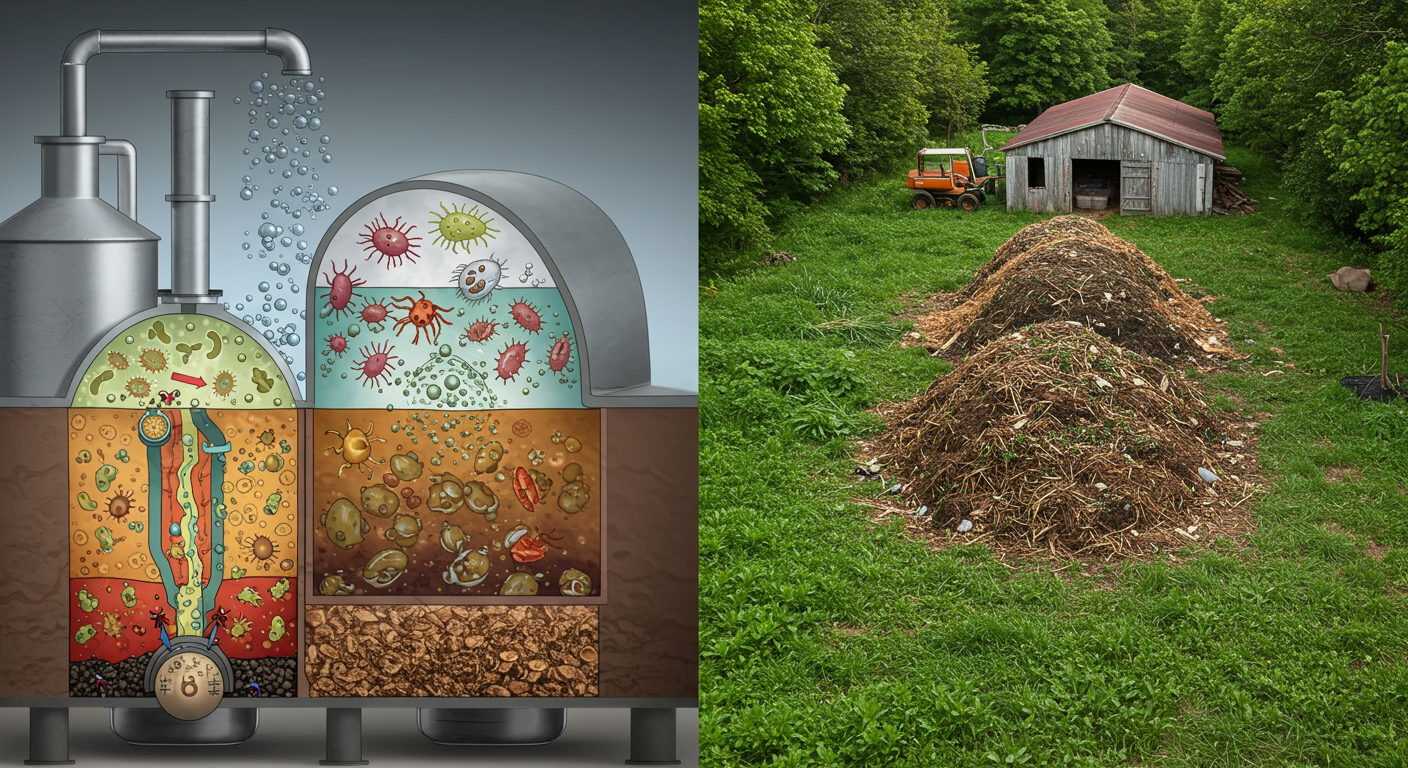
The Economics of Anaerobic Digestion: Is It Worth the Investment? Introduction: Counting the Cow‑Powered Kilowatts Anaerobic digestion (AD) sounds exciting—turning manure, food scraps, and crop residues into energy. But when the rubber meets the road (or the tractor meets the field), the big question is: does it pay off? Farmers, business owners, and city planners want to know if digesters are worth the investment. Let’s break down the economics of AD—costs, revenues, risks, and rewards—so you can see whether this manure‑to‑money machine makes financial sense. The Cost Side of the Equation Table 1: Typical Costs of AD Systems Cost Category Small‑Scale Farm Digester Large‑Scale Industrial Digester Notes Capital investment $500,000–$1 million $5–$15 million Depends on size, technology, location Operating costs $50,000–$100,000/year $500,000–$1 million/year Labor, maintenance, feedstock handling Feedstock costs Often free (manure) May require purchase contracts Food waste, crop residues, sludge Maintenance $10,000–$30,000/year $100,000–$300,000/year Equipment servicing, monitoring The Revenue Side of the Equation Table 2: Typical Revenue Streams Revenue Source Potential Earnings Notes Electricity sales $100,000–$500,000/year Surplus power sold to grid Heat utilization $20,000–$100,000/year Heating barns, greenhouses, or district systems Biomethane sales $200,000–$1 million/year Upgraded biogas for transport or pipelines Fertilizer savings $30,000–$80,000/year Digestate replaces synthetic fertilizers Carbon credits $10,000–$50,000/year Emission reductions monetized Payback Periods Small farm digesters: 5–10 years. Large industrial digesters: 7–15 years. Subsidies and grants can shorten payback significantly. Table 3: Example Payback Scenarios Scenario Investment Cost Annual Revenue Payback Period Dairy farm (200 cows) $750,000 $150,000 ~5 years Municipal AD plant $10 million $1.5 million ~7 years Food industry plant $15 million $2 million ~8 years Risks and Challenges 💸 High upfront costs: Financing can be a hurdle. 🧪 Feedstock variability: Inconsistent waste streams affect yields. ⚖️ Regulatory complexity: Permits, compliance, and grid connections. 🔧 Maintenance needs: Digesters require skilled operators. Benefits Beyond Economics 🌱 Environmental gains: Reduced methane emissions, cleaner manure management. 🚜 Farm efficiency: Better fertilizer, less odor. 🏙️ Urban sustainability: Cities reduce landfill waste. 💼 Community goodwill: Neighbors appreciate cleaner air and renewable energy. Table 4: Economic Pros and Cons Aspect Pros Cons Energy Renewable, reliable Variable yields depending on feedstock Environment Cuts methane emissions, odor Requires digestate management Economics Extra income, reduced fertilizer costs High initial investment Practicality Works on farms, cities, industries Needs training and maintenance Real‑World Examples Germany: Thousands of digesters supported by feed‑in tariffs make AD profitable. USA: Dairy farms earn extra income by selling electricity to utilities. Sweden: Biomethane from AD fuels buses, reducing diesel costs. India: Small digesters provide cheap cooking fuel, saving households money. Conclusion: Is It Worth the Investment? Anaerobic digestion isn’t a get‑rich‑quick scheme, but it is a solid long‑term investment. With upfront costs balanced by steady revenue streams—electricity, heat, biomethane, fertilizer savings, and carbon credits—AD can pay for itself in 5–10 years for farms and 7–15 years for larger plants. For farmers, businesses, and cities, the economics of AD prove that waste isn’t just a problem—it’s an opportunity. With smart planning, subsidies, and efficient operation, digesters turn manure into money, scraps into savings, and waste into wealth. References U.S. Environmental Protection Agency – Anaerobic Digestion Basics European Biogas Association – Economic Viability of Biogas Plants International Renewable Energy Agency – Biogas Economics and Market Outlook Springer – Cost‑Benefit Analysis of Anaerobic Digestion Systems MDPI – Financial Assessment of Biogas Projects
- +260-76-459-8985
- mupunduenergy@mdware.co.uk
- Plot No. 2344, Lelayi LSK, ZM