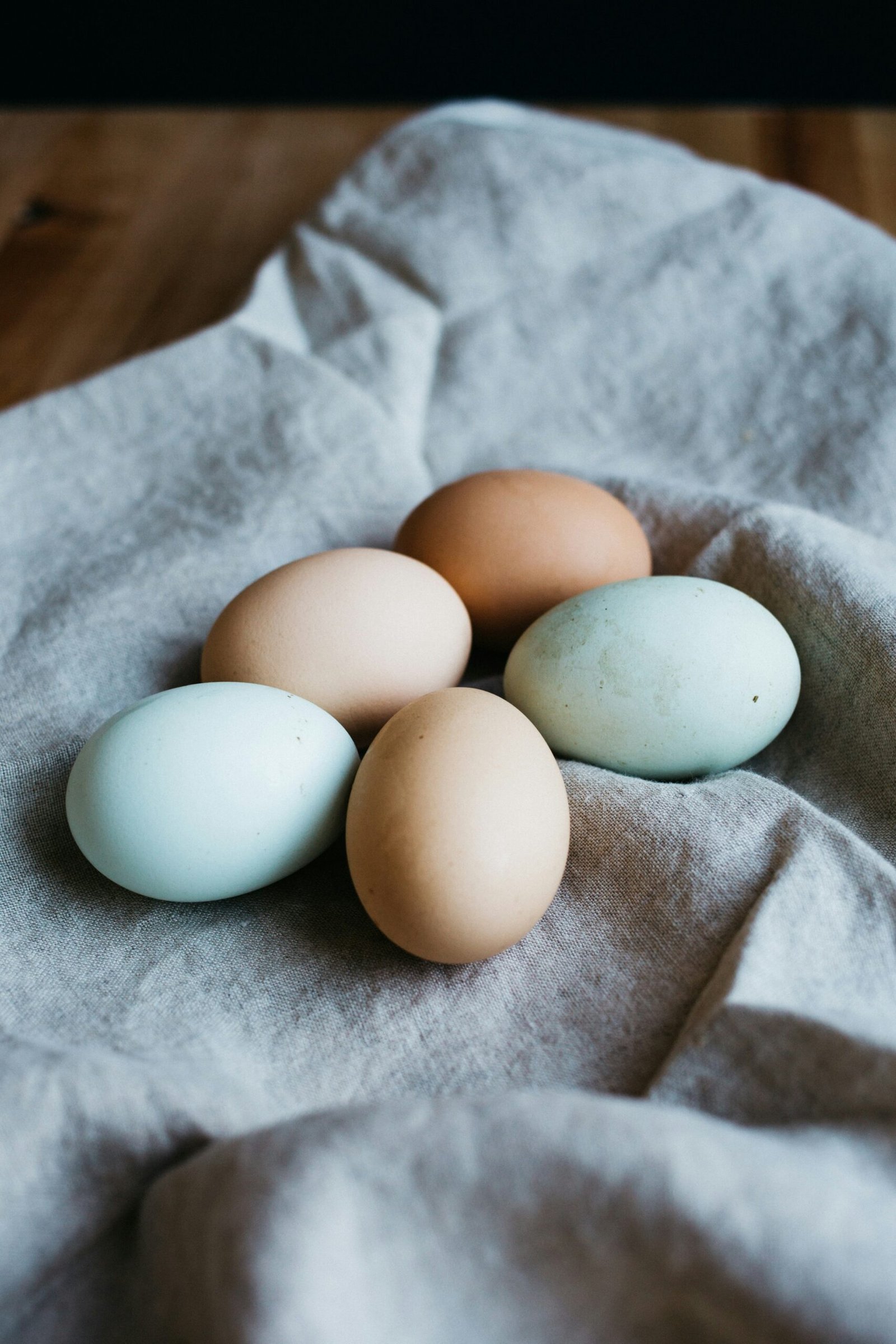
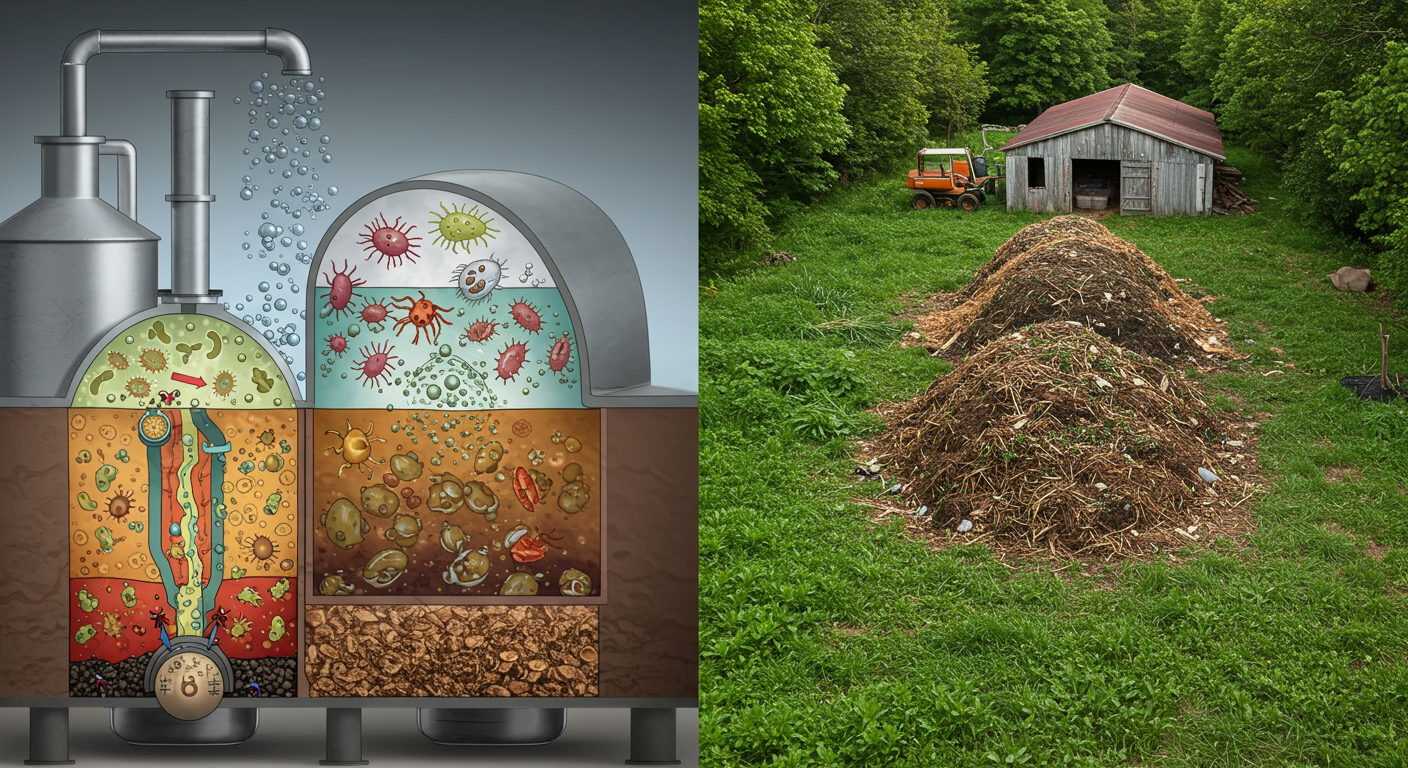
Introduction to Pinterest and Its Benefits for Farms Pinterest is a visual discovery platform that enables users to discover, save, and share ideas and inspirations through categorized boards. For farms, Pinterest serves as a valuable tool for marketing and outreach, allowing users to visually showcase their products, recipes, and farm updates. Utilizing Pinterest can effectively enhance a farm’s online presence while also fostering community engagement. One of the primary benefits of using Pinterest for farms is its ability to connect with a broader audience. By sharing visually appealing images of fresh produce, farm activities, and delicious recipes, farms can attract potential customers who are seeking quality, locally-sourced products. This visual content can motivate users to explore a farm’s offerings, leading to increased interest and potential sales. Additionally, Pinterest functions as an excellent platform for storytelling. Farms can share their unique narratives by posting content that highlights their practices, sustainable methods, and farm updates. This authenticity helps build a trustworthy brand image and can lead to a loyal following. The ability to engage with the community is further enhanced through the platform’s interactive features, allowing users to comment, share, and even collaborate on boards, thus creating a sense of connection with the farm’s audience. Moreover, Pinterest’s search functionality enables users to discover new recipes and ideas easily. By optimizing pins with relevant keywords and hashtags, farms can enhance their visibility, ensuring their content reaches individuals who are specifically searching for recipes or farming practices. This targeted approach allows farms to share valuable information, from seasonal recipes to tips on sustainable farming, thereby establishing themselves as knowledgeable resources in the agricultural community. Setting Up Your Pinterest Account Creating a Pinterest account tailored for your farm is the first step in sharing your recipes and updates effectively. When deciding between a personal and a business account, it is generally advisable to opt for a business account. This choice offers you access to a suite of analytic tools that can help you understand your audience better and enhance your engagement. Additionally, business accounts provide features specifically designed for businesses, such as the ability to verify your website and run ads. To set up your Pinterest account, navigate to the Pinterest homepage and click on “Join” or “Log in.” If you are creating a new account, provide your email address, create a password, and specify your age. Once your account is created, Pinterest will guide you through a series of prompts to tailor your profile to your interests, including farming and culinary topics. Be sure to select categories that resonate with your farm’s offerings, such as recipes, gardening tips, and farm management. Upon establishing your account, optimizing your profile is crucial for attracting followers. Start by uploading a professional profile picture that reflects your farm’s identity. This could be a logo or a captivating image of your farm. Next, craft a compelling bio that succinctly describes your farm’s mission, the types of recipes you will share, and your approach to sustainable farming. Including relevant keywords related to food and agriculture can significantly improve your account’s visibility in search results. Additionally, link to your farm’s website or blog in the designated section to drive traffic and connect your Pinterest presence with other online platforms. This not only enhances your credibility but also allows your audience to explore more content related to your farm and recipes. By following these steps, you will lay a solid foundation for a successful Pinterest account, enabling you to share your farm’s story and culinary creations with a broader audience. Creating Your Pinterest Board: Step-by-Step Guide Creating a dedicated Pinterest board for recipes and farm updates is a straightforward yet enjoyable process that allows you to visually present your farm-to-table journey. Follow these step-by-step instructions to establish an engaging board that resonates with followers. Firstly, log into your Pinterest account. If you do not have an account, creating one is easy and free. Once logged in, navigate to your profile page and look for the option to create a new board. Click on the “+” icon, which typically indicates adding new content. Next, you will need to choose an appropriate name for your board. Selecting a relevant name is essential as it reflects the content of the board. Aim for something catchy yet descriptive, such as “Farm Fresh Recipes” or “Seasonal Farm Updates.” A well-chosen name can capture the attention of users who are interested in cooking or agriculture-related topics. After naming your board, write an engaging description that effectively communicates the purpose of the board. This is where you can incorporate keywords related to your content, such as “farm-to-table recipes” or “organic farming updates,” ensuring that your board is discoverable. A compelling description not only attracts followers but also provides insight into the value they can expect from your selections. The next step is to select a suitable category for your board. Pinterest allows you to categorize your content, which helps drawn in followers with shared interests. Relevant categories could include Food & Drink or Home & Garden, as they directly relate to recipes and farming updates. Finally, once your board is created, populate it with pins that align with your theme. Carefully curate a mix of your original content alongside relevant content from other users; this will enhance the aesthetic and informational value of your board, encouraging engagement from your audience. Curating Content: Sourcing Recipes and Updates Curating engaging content for a Pinterest board focused on recipes and farm updates is essential for fostering a vibrant community of followers. To achieve this, one must start by sourcing high-quality recipes that highlight the farm’s produce. Engaging with local seasonal ingredients is not only beneficial for your audience but also emphasizes the farm-to-table concept, promoting sustainability and freshness. Consider leveraging resources such as local farmer’s markets, agricultural websites, and culinary blogs that specialize in farm-fresh recipes, ensuring that the content resonates with your target audience. Seasonal updates play a pivotal role in keeping the content fresh and relevant. Promote the current
- +260-76-459-8985
- mupunduenergy@mdware.co.uk
- Plot No. 2344, Lelayi LSK, ZM