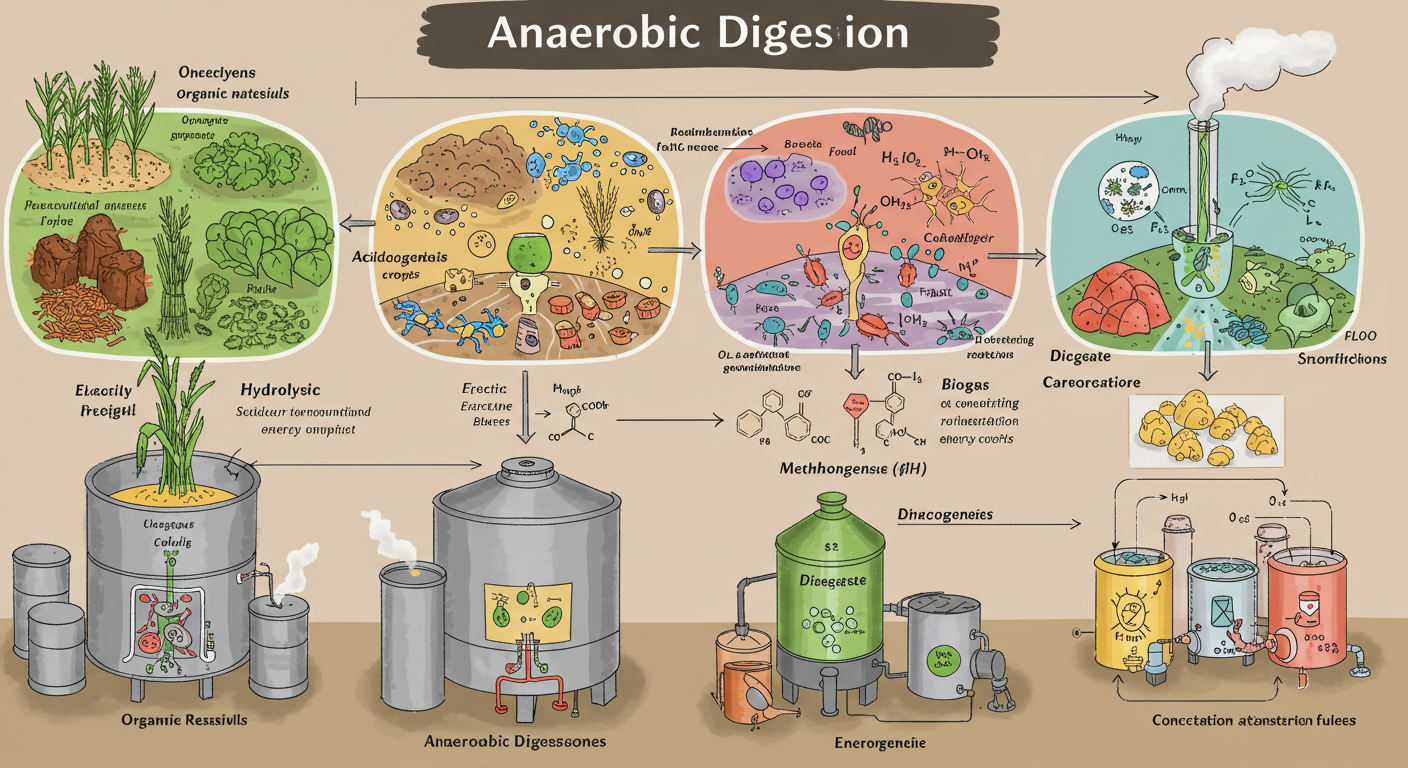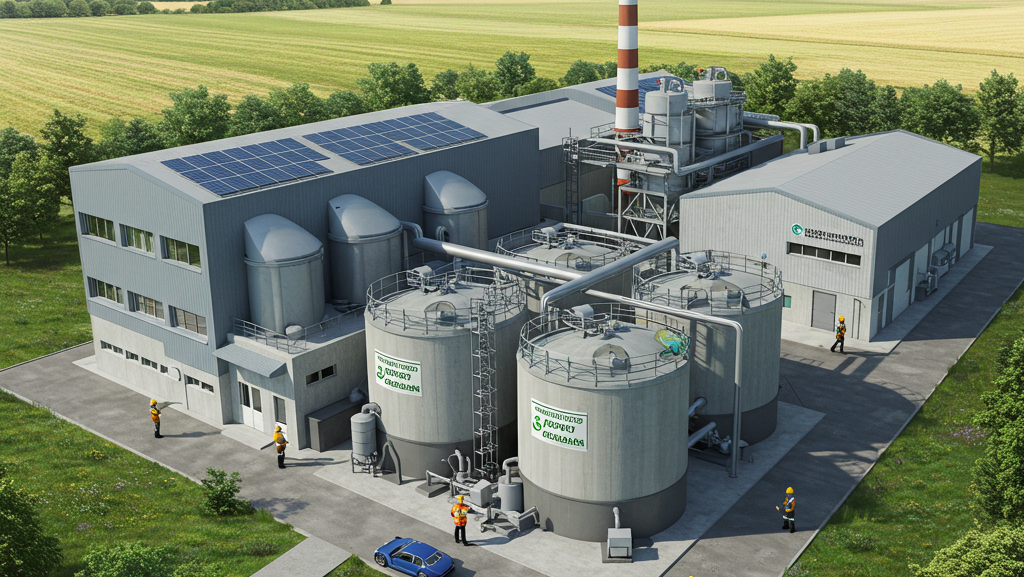
Financing anaerobic digesters can feel tricky, but there are clear paths forward. Below are common hurdles and practical chances to make projects happen.
Common challenges
- High upfront cost: Digesters need big initial investment for tanks, gas handling, and control systems.
- Revenue uncertainty: Income from energy, tipping fees, or digestate sales can vary by market and season.
- Scale issues: Small farms often can’t justify full systems alone — economies of scale matter.
- Permitting and policy risk: Local rules, air permits, or changing incentives can delay projects or add costs.
- Technical risk: Performance issues (foaming, ammonia, salinity) can hit cash flow if not planned for.
Practical opportunities
- Co-financing and partnerships: Team up with neighboring farms, processors, or local governments to share costs and benefits.
- Grants and incentives: Look for renewable energy grants, agricultural programs, or tax credits that cut capital needs.
- Revenue stacking: Combine income streams — electricity, heat, tipping fees, carbon credits, and fertilizer sales — to improve returns.
- Modular and staged builds: Start small with modular units and expand as revenue proves out.
- Off-take agreements: Secure long-term contracts for energy or digestate with buyers to stabilize cash flow.
Tips to improve bankability
- Do real-world modeling: Use conservative estimates for gas production, prices, and operating costs.
- Show strong O&M plans: Clear maintenance and monitoring reduce perceived technical risk.
- Aggregate projects: Lenders prefer pooled or cooperative projects that spread risk.
- Use third-party guarantees or EPC contracts: Experienced developers or contractors can reassure financiers.
Financing digesters is doable with creative structuring: combine grants, partners, and multiple revenue streams, start modularly, and prove performance with solid data. The market is ripe for projects that balance risk and reward.