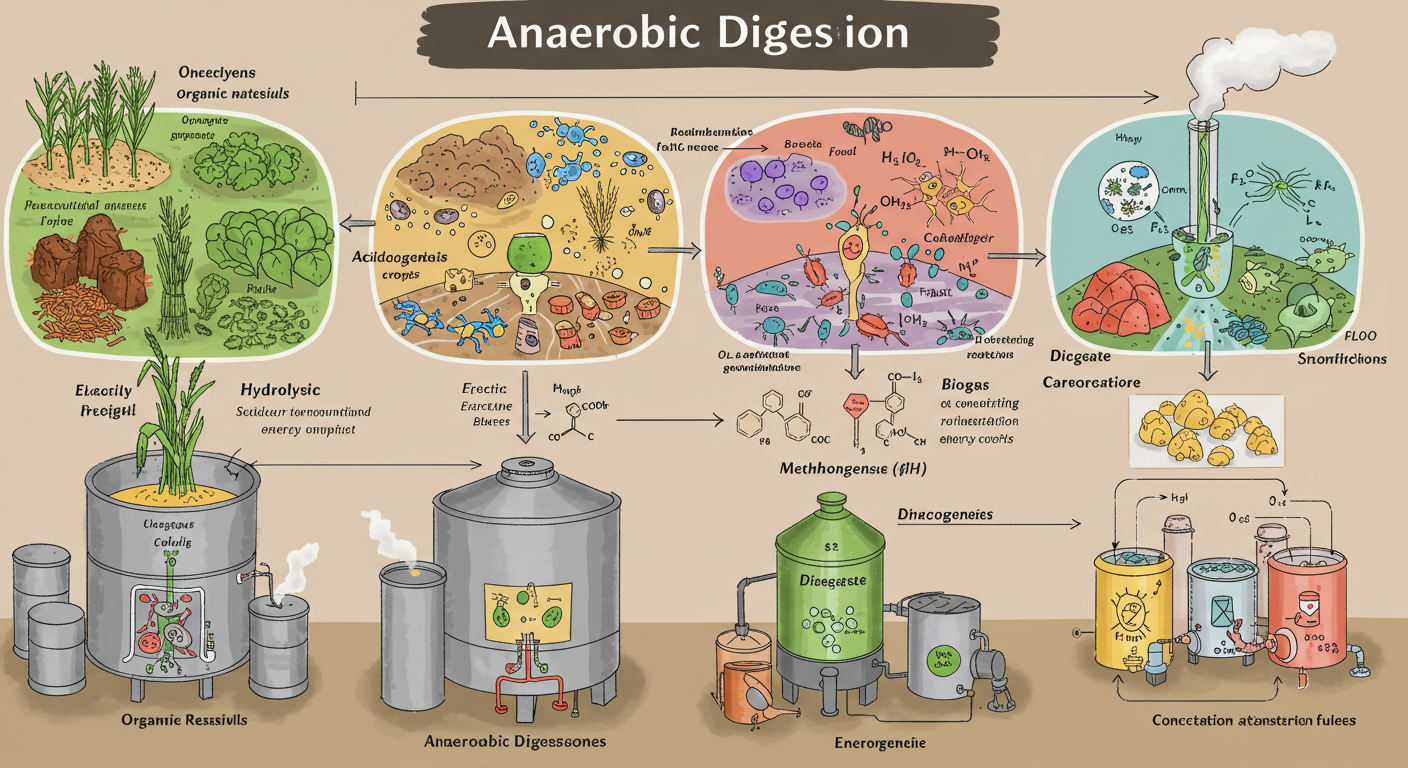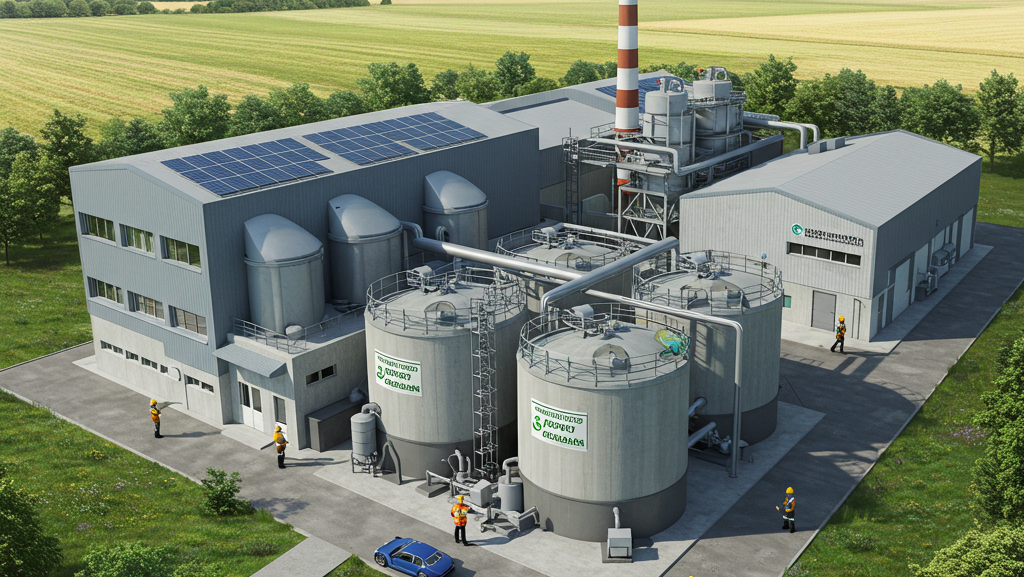
Keeping an anaerobic digestion (AD) system running well doesn’t need to be complicated. With a few regular checks and simple habits, you can avoid common problems, get steady biogas production, and keep digestate useful for fertilizer. Below are easy tips and routines to keep your system happy.
Know your feedstock
- Keep it consistent: Sudden changes in what you feed the digester can shock the microbes. Try to keep the mix and the amounts steady.
- Avoid harmful stuff: Don’t add big amounts of antibiotics, bleach, heavy metals, or salty waste unless your system is set up for them.
- Balance nutrients: Too much protein can raise ammonia and slow digestion. Mix in higher-carbon materials (like crop residues or food waste) if needed.
Watch basic operating conditions
- Temperature: Most systems like it warm and steady (around 35–40°C for mesophilic). Big drops or spikes stress microbes. Insulate tanks and keep heaters working.
- pH: Aim for a neutral pH (around 6.8–7.5). If pH falls, add buffering materials like crushed limestone or sodium bicarbonate as directed.
- Mixing: Gentle, regular mixing prevents dead zones and helps microbes access food. Over-mixing wastes energy—find a routine that suits your tank.
Monitor gas and liquids
- Biogas output: Track how much gas you get each day. A steady drop usually signals a problem—check feedstock, temperature, and pH first.
- Gas quality: High hydrogen sulfide (rotten-egg smell) can corrode equipment and hurt engines. Use simple scrubbers (iron filings, activated carbon) or dose with iron salts if needed.
- Digestate: Watch solids and nutrient levels before spreading. Store it properly and don’t apply heavy loads to land that can cause runoff.
Prevent common problems
- Foaming: Happens when fatty or protein-rich wastes build up. Reduce feed rates, add anti-foaming agents, or mix less aggressively. Address it quickly to avoid overflows.
- Ammonia inhibition: High-protein feedstocks can raise ammonia; symptoms include low gas and poor microbial activity. Co-digest with carbon-rich waste or strip ammonia if needed.
- Acid build-up: Sudden overloads produce organic acids and drop pH. Slow down feeding, add alkalinity, and let the system recover.
Routine checks and simple records
- Daily: Gas volume, general tank appearance, and whether pumps/heaters are working.
- Weekly: pH, temperature, gas smell, and any changes in feedstock.
- Monthly: Total solids, volatile solids, and a quick check for foam or scum layers.
- Keep a simple log: Dates, feed amounts, readings, and anything unusual. Trends reveal problems early.
Maintenance and safety
- Clean screens and separators regularly to avoid clogging.
- Service pumps, valves, and blowers on a schedule to prevent failures.
- Follow safety rules: methane is flammable; H2S is toxic. Ensure good ventilation, gas detectors, and trained staff.
When to get help
If gas drops persist despite fixes, or you see heavy foaming, persistent odors, or corrosion, contact a technician or lab for deeper testing. Small problems fixed early save time and money.
Conclusion
A healthy AD system is mostly about consistency, simple monitoring, and quick fixes. Feed steady, monitor basics (temperature, pH, gas), keep things clean, and log what you do. With those habits, your digester will be more reliable, productive, and low-stress.