Biomass — plants, wood, crop leftovers, and organic waste — is already part of the clean energy mix. It’s flexible, can be stored, and can give both heat and power. Looking ahead, biomass will play a different but still useful role as we build greener energy systems. Here’s a friendly look at what’s coming.
Why biomass still matters
- Reliable and dispatchable: Unlike wind or sun, biomass can be burned or converted when we need it, helping fill gaps when renewables are quiet.
- Uses existing tech: Boilers, turbines, and engines can run on biomass with some changes. That makes it easier to scale up fast.
- Waste-to-energy potential: Turning food scraps, sewage, and wood waste into energy keeps stuff out of landfills and cuts greenhouse gases.
Cleaner tech and better practices
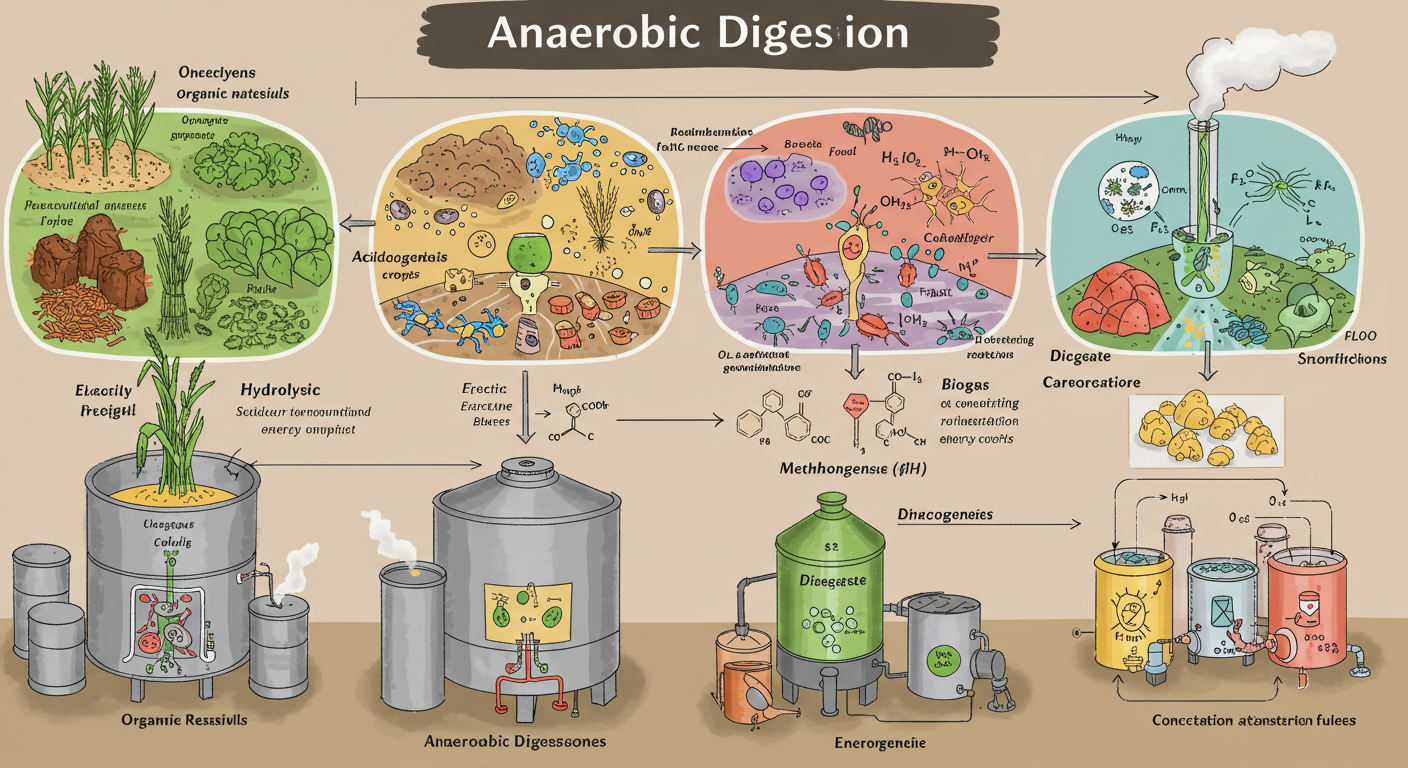
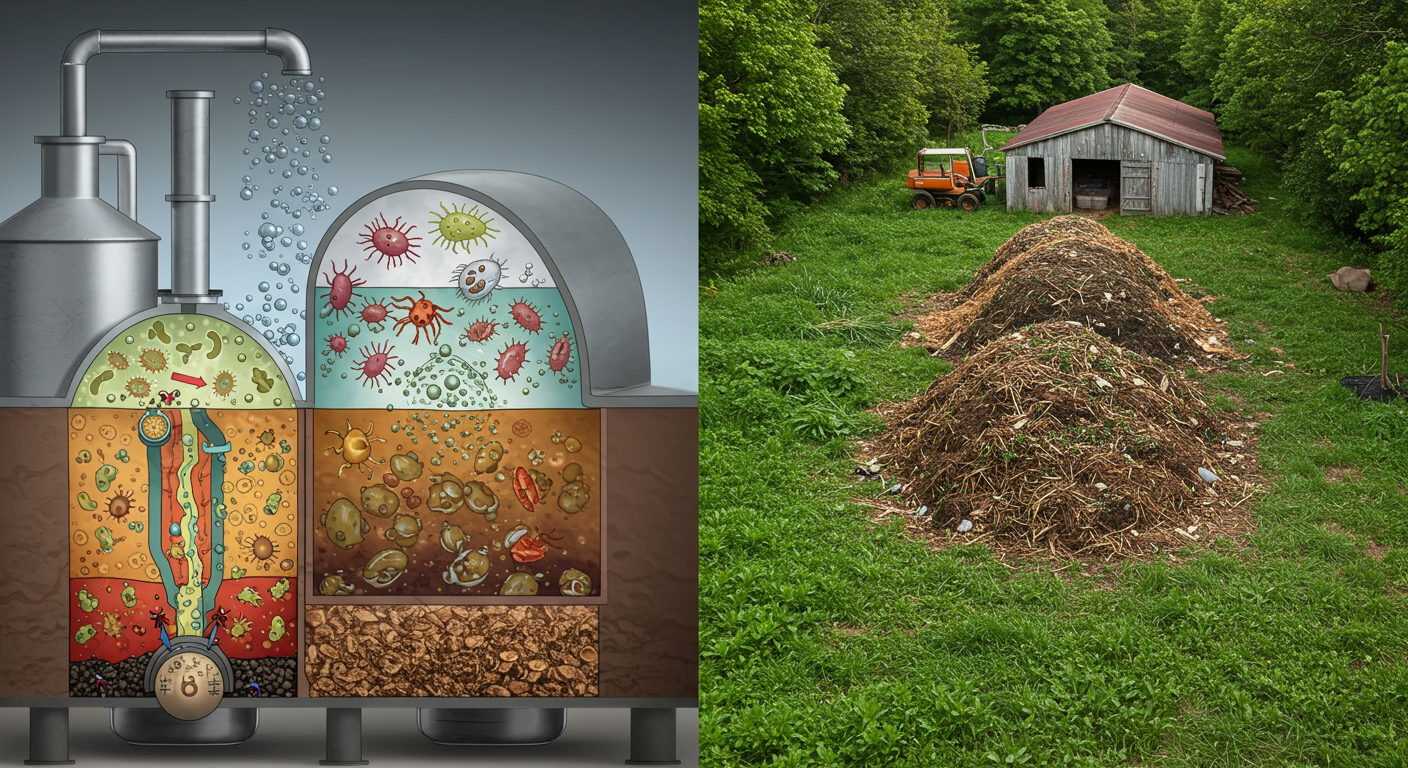
- Advanced conversion methods: New ways to convert biomass — like gasification, pyrolysis, and anaerobic digestion improvements — give higher efficiency and cleaner outputs. These methods make fuel that’s better for engines or for making hydrogen.
- Better emissions controls: Filters, scrubbers, and smart burners reduce smoke, particulates, and other pollutants so biomass plants can meet strict air rules.
- Sustainable sourcing: Future growth depends on using biomass that doesn’t hurt forests or food supplies. That means using residues, waste, and purpose-grown crops.
Biomass and bio-based fuels
- Biofuels for hard-to-electrify sectors: Aviation, shipping, and some heavy industry need denser fuels. Sustainable biofuels and synthetic fuels made partly from biomass can help cut emissions where batteries fall short.
- Biogas and biomethane: Upgraded biogas can replace natural gas for heating, transport, or industry. It also fits well with existing gas networks when blended carefully.
Integration with other renewables
- Hybrid systems: Biomass can back up solar and wind by supplying heat or power when those sources dip. Co-locating biomass units with other renewables or storage gives flexible, low-carbon energy.
- Carbon removal potential: When biomass is used with carbon capture and storage (BECCS), it can remove CO2 from the atmosphere — a tool that could help reach big climate targets if done sustainably.
Challenges to watch
- Sustainability risks: If forests are cut or food crops are diverted, biomass can cause more harm than good. Strong rules and traceability are essential.
- Economics and scale: Some advanced processes are still costly and need policy support or new business models to scale.
- Competition for land: Growing biomass and protecting biodiversity must be balanced to avoid harming nature or food systems.
What to expect soon
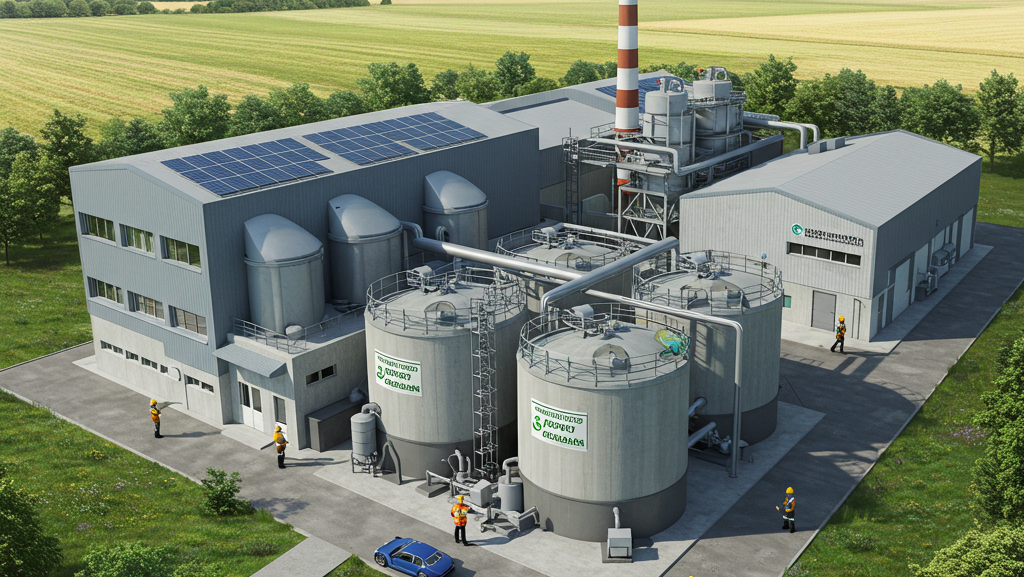
- More waste-based projects: Cities and farms will turn more organic waste into energy and fertilizer using digesters and small gasifiers.
- Niche fuels for transport: Expect growing use of biofuels in aviation and shipping, plus pilot projects for synthetic fuels from biomass.
- Tech improvement and policy support: Better conversion tech, clearer sustainability rules, and carbon pricing will make biomass more competitive and responsible.
Conclusion
Biomass won’t be the only answer, but it will be an important one — especially for reliable power, useful heat, and fuels where electrification is hard. The future depends on using biomass smartly: prioritize waste and residues, protect ecosystems, and pair biomass with clean tech like carbon capture and smart grids. Do that, and biomass can be a steady partner in a cleaner energy future.