What are carbon credits?
Carbon credits are certificates that represent a tonne of CO2 (or equivalent) avoided or removed. Projects that cut greenhouse gases can sell these credits to companies that need to meet emissions goals.
How AD earns credits
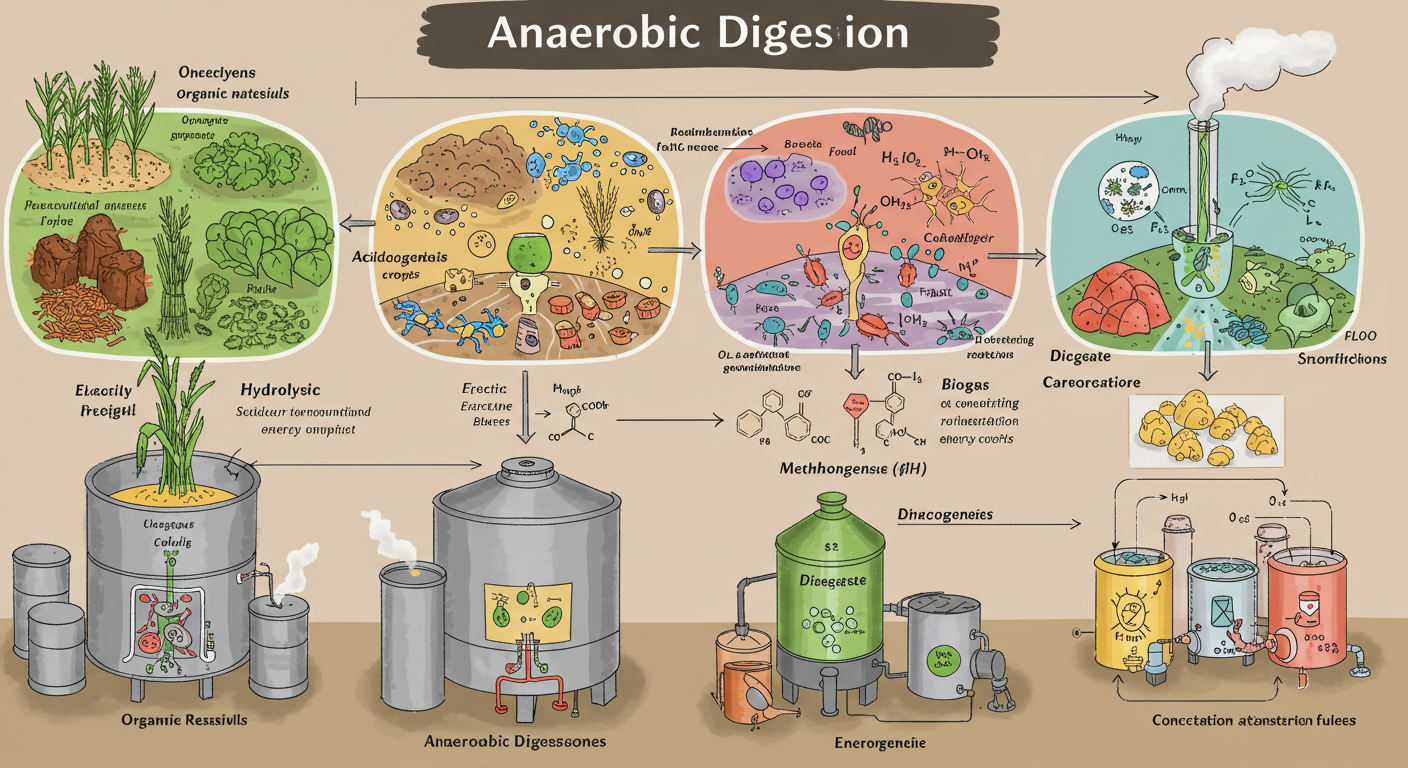
Anaerobic digestion (AD) reduces methane from organic waste and replaces fossil fuels with biogas. Both actions cut greenhouse gases, so AD projects can generate carbon credits if they follow approved methods and measure reductions properly.
Types of projects that qualify
- On-farm digesters that capture manure methane.
- Food- or brewery-plant AD systems that treat waste and use biogas on-site.
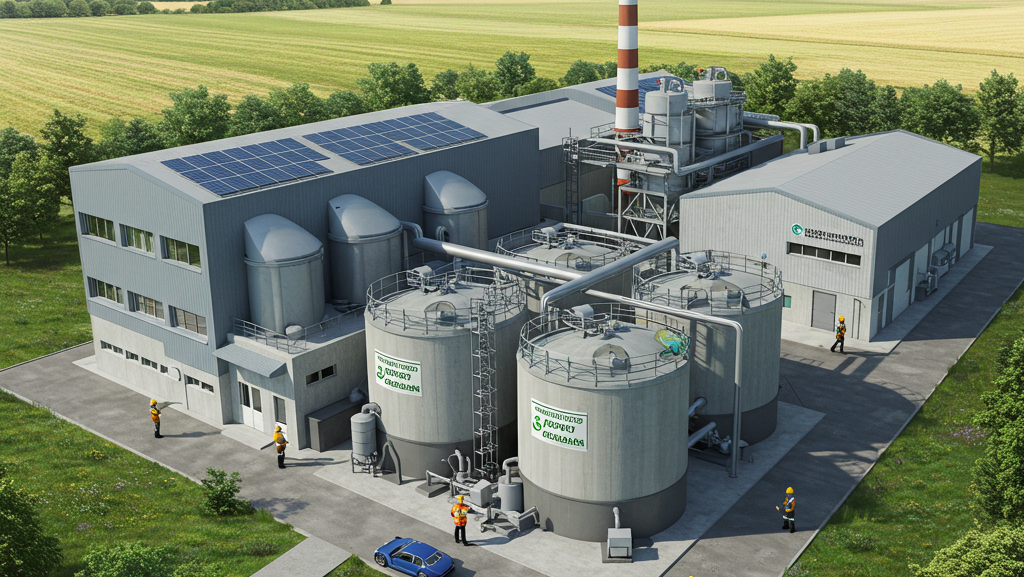
- Centralized facilities that process regional organic waste and export biomethane.
Key steps to get credits
- Choose a standard: Pick a verifier (e.g., VCS, Gold Standard) that covers AD projects.
- Baseline and monitoring: Show what emissions would have been without the project, then track actual emissions and energy produced.
- Verification: An approved auditor checks your data and issues credits for verified reductions.
Things to watch out for
- Additionality: Projects must prove emissions cuts are real and wouldn’t have happened anyway.
- Leakage: Make sure emissions aren’t just shifted elsewhere (e.g., waste moved longer distances).
- Methane avoidance vs. removal: Different credits have different values—avoidance credits (prevented methane) are common for AD.
- Transaction costs: Measurement, verification, and registration can be costly, so small projects may struggle to cover those expenses.
Practical tips
- Bundle smaller sites into one program to spread costs.
- Keep solid monitoring records from day one.
- Work with experienced consultants or aggregators to navigate standards and sell credits.
AD can earn valuable carbon credits, but success needs good measurement, clear additionality, and cost-effective verification. With the right setup, credits can boost project income and speed climate benefits.