Anaerobic Digestion on Campus: Why Colleges Should Go Green? And How?
College campuses are no stranger to sustainability initiatives. From reducing plastic waste to creating green spaces, universities are increasingly focusing on becoming more eco-friendly. But one often overlooked, yet incredibly impactful, technology is anaerobic digestion (AD). So, what exactly is anaerobic digestion, and why should colleges care? Spoiler: It’s a game-changer. Here’s how colleges can harness the power of AD to reduce waste, generate energy, and put themselves at the forefront of sustainability efforts.
What is Anaerobic Digestion?
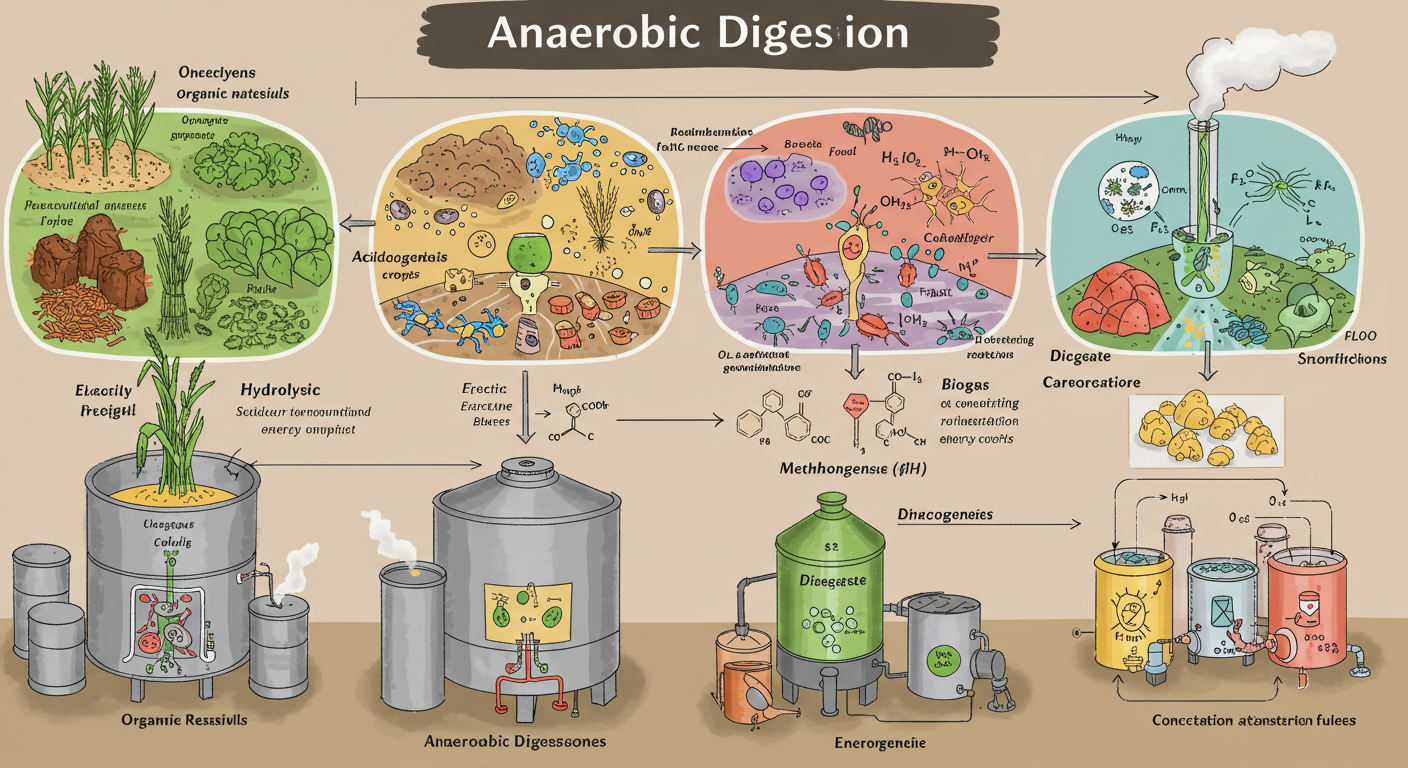
At its core, anaerobic digestion is a process that breaks down organic waste (think food scraps, yard waste, and even sewage) without oxygen. Instead, microbes work their magic, breaking down the waste to produce biogas—mainly methane—and digestate—a nutrient-rich material that can be used as fertilizer.
Why Should Colleges Care About Anaerobic Digestion?
There’s no shortage of reasons why anaerobic digestion should be on every college campus’ radar:
- Waste Reduction: Colleges generate tons of organic waste—much of it is food waste from cafeterias and student events. AD can handle this waste and turn it into something useful rather than letting it end up in a landfill.
- Energy Production: The biogas produced in the process can be used to generate electricity or heat, cutting down on energy costs and reliance on fossil fuels.
- Sustainability Reputation: Colleges are known for their progressive views. Implementing AD technology shows a commitment to long-term sustainability and a cleaner environment.
- Reduced Carbon Footprint: Using AD to manage waste significantly reduces greenhouse gas emissions that would otherwise be released from landfills.
- Educational Opportunity: Students studying environmental science, biology, engineering, or sustainability can gain hands-on experience by working with AD systems.
How Does Anaerobic Digestion Work on Campus?
For a college to integrate AD on campus, it needs a solid plan. So, how can schools start this process? Let’s break it down:
| Step | Action | Outcome |
|---|---|---|
| 1. Waste Audit | Assess the amount and type of organic waste generated on campus. | Identify opportunities for waste diversion. |
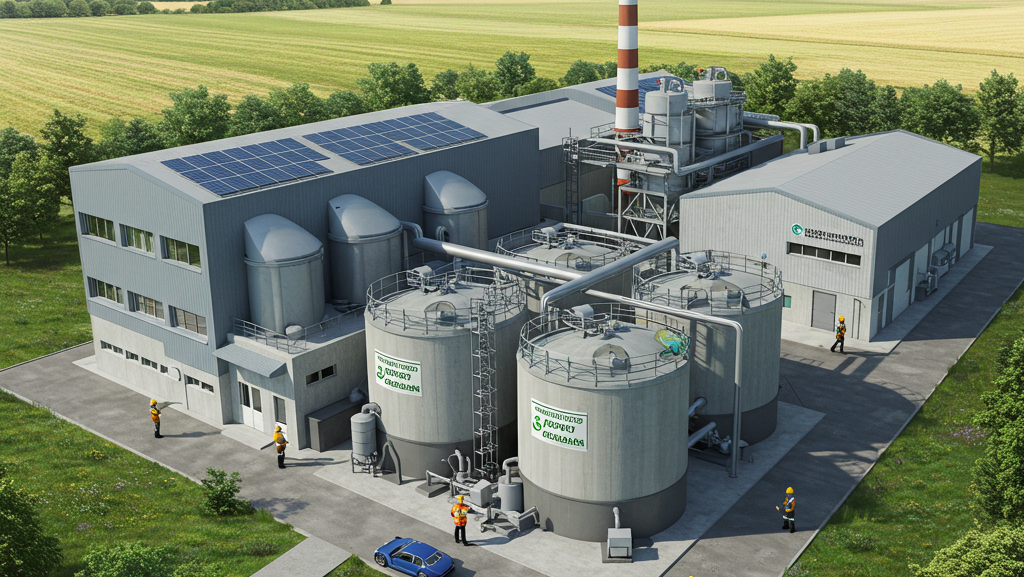
| 2. Install Digester | Set up an anaerobic digester (either small-scale or large-scale, depending on the campus size). | A system that processes organic waste into biogas and digestate. |
| 3. Energy Capture | Install biogas collection and energy conversion systems (e.g., a small power plant or heating system). | Produce electricity or heat from biogas. |
| 4. Digestate Use | Use the remaining digestate as fertilizer for campus green spaces, gardens, or landscaping. | Sustainable reuse of byproducts. |
| 5. Monitor & Optimize | Regularly monitor the system and make adjustments based on waste flow, gas production, etc. | Keep the system running efficiently, improving sustainability over time. |
The Cost Factor: Is Anaerobic Digestion Worth the Investment?
Like any large-scale project, the installation of anaerobic digesters comes with an upfront cost. However, the long-term benefits far outweigh the initial investment. Let’s break down the costs and benefits:
| Cost vs. Benefit | Upfront Investment | Long-Term Savings |
|---|---|---|
| System Installation | $1M–$5M (depending on system size) | Savings in energy costs and waste disposal fees. |
| Operational Costs | Maintenance of the digester and biogas systems | Reduced energy bills from biogas production. |
| Educational Benefits | Some grant funding and donations may be available | Enhances campus reputation for sustainability. |
While it may seem expensive initially, consider that the energy savings, waste diversion, and environmental impact benefits can easily justify the upfront costs. Plus, there are opportunities for grants and federal funding for green projects that can offset some of the expenses.
So, Why Should Your Campus Go Green with AD?
In short: anaerobic digestion isn’t just for eco-nerds (though, no shame if you’re one). It’s a practical, innovative way for universities to manage waste, produce renewable energy, and create a more sustainable future. Plus, it’s a way to save money, cut down on campus carbon footprints, and provide an educational platform for students to learn about the future of waste management.
So, the next time you grab lunch in your campus dining hall, think about the scraps left on your plate. What if that food waste could power your dorm? Or help fertilize the campus garden? Anaerobic digestion has the potential to make it all possible—and it’s time colleges started reaping the rewards.
Sources:
- “Anaerobic Digestion Basics.” U.S. Environmental Protection Agency (EPA), www.epa.gov.
- “How Anaerobic Digesters Work.” Energy.gov, www.energy.gov.
- University of Arizona, Campus Sustainability Report 2022. www.uofaz.edu.
- Colorado State University, Sustainability Programs. www.colostate.edu.