What is anaerobic digestion?
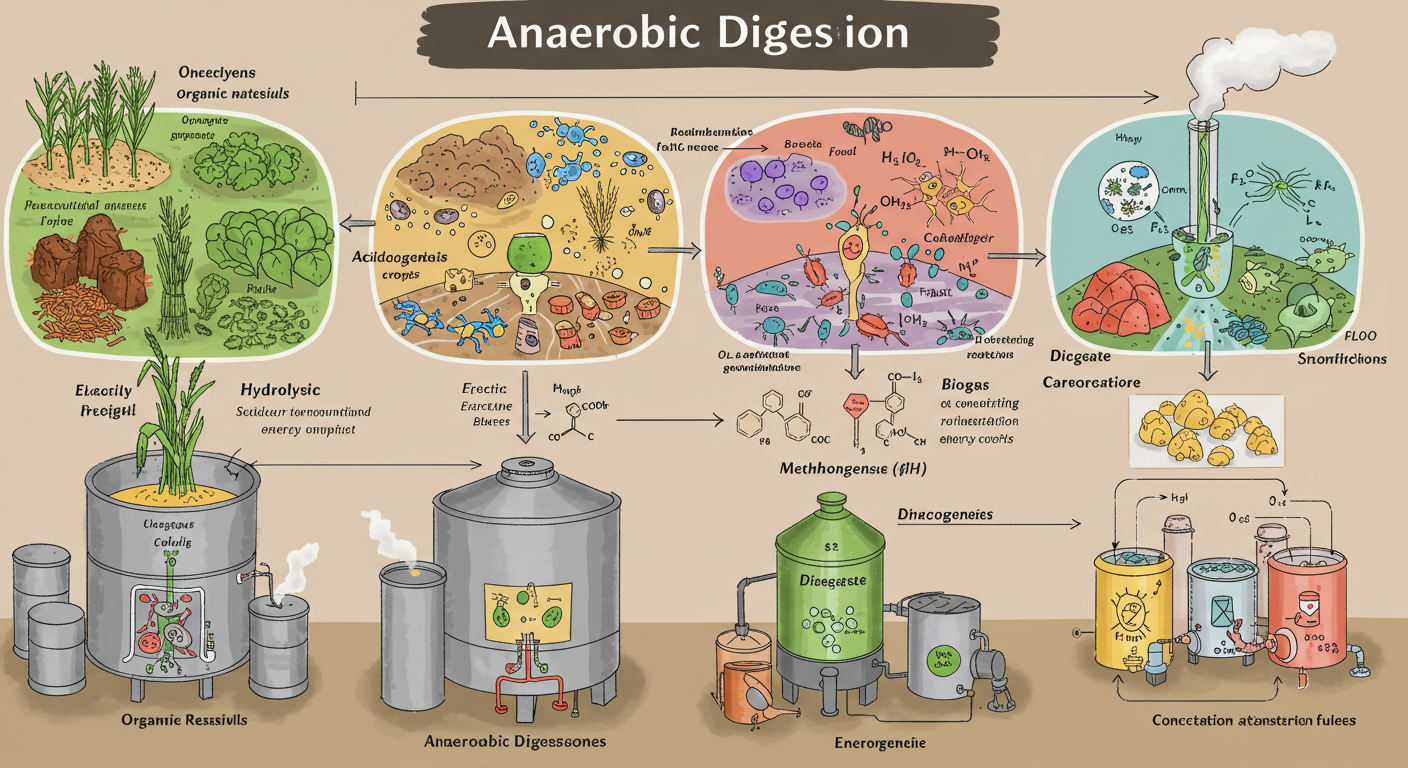
Anaerobic digestion (AD) is a natural process where microbes break down organic material without oxygen. On farms, this means using manure, crop residues, and food waste in sealed tanks to produce biogas (mainly methane) and a nutrient-rich leftover called digestate.
How it helps farms
Energy from waste: Biogas can be burned for heat, used to run engines that make electricity, or upgraded to renewable natural gas for vehicles. That lowers fuel bills and dependence on fossil fuels.
Better odor and fewer pathogens: Digesting manure reduces smells and cuts harmful microbes, making handling and spreading safer and more pleasant.
Nutrient recycling: Digestate keeps most nutrients from the original material. Farmers can apply it to fields as a fertilizer that’s generally more stable and predictable than raw manure.
Soil and crop benefits
Digestate supplies nitrogen, phosphorus, and potassium in forms plants can use. It also adds organic matter, which improves soil structure and water-holding capacity. Over time, this can boost yields and reduce the need for synthetic fertilizers.
Economics and on-farm value
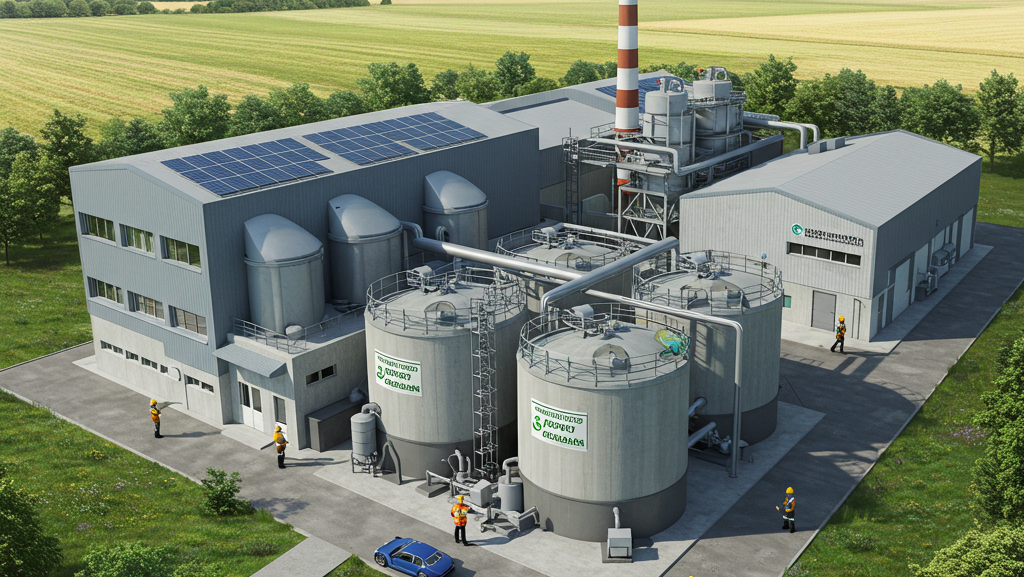
AD systems vary in size—from small units for individual farms to large centralized plants accepting regional waste. Small-to-medium digesters can cut energy costs and produce a steady heat or power source. Selling excess electricity or upgraded biogas can create extra income. However, upfront costs and maintenance matter—good planning and technical support are key.
Practical tips for farmers
- Mix feedstocks: Combining manure with crop residues or food waste can improve gas yields.
- Keep things steady: Stable temperatures and consistent feed help microbes thrive.
- Test digestate: Know nutrient content before spreading to match crop needs and avoid over-application.
- Start small: Pilot a digester or join a cooperative before scaling up.
Challenges to watch
Digesters need management, capital, and sometimes permits. Transporting bulky feedstocks or digestate can be costly. Also, methane leaks must be prevented to keep climate benefits real.
Anaerobic digestion turns farm waste into energy and useful fertilizer, cuts odors and pathogens, and supports a circular farm system. With careful planning and management, it’s a practical tool for greener, more resilient agriculture.