What is Anaerobic Digestion?
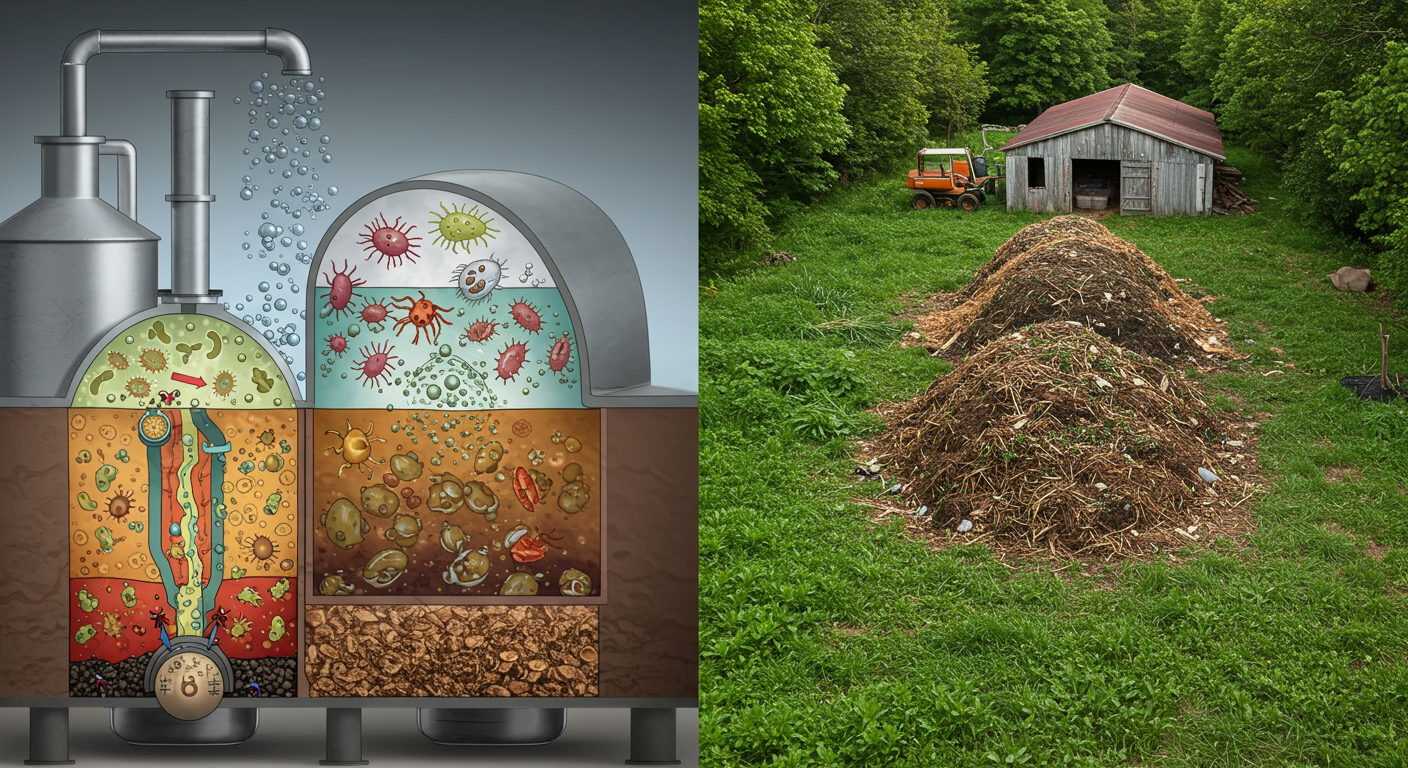
At its core, anaerobic digestion is nature’s ultimate recycling system, operating entirely in the dark. While composting relies on oxygen and open air, anaerobic digestion takes place in a completely sealed, oxygen-free environment. In this oxygen-depleted world, a specialized community of microscopic organisms takes center stage.
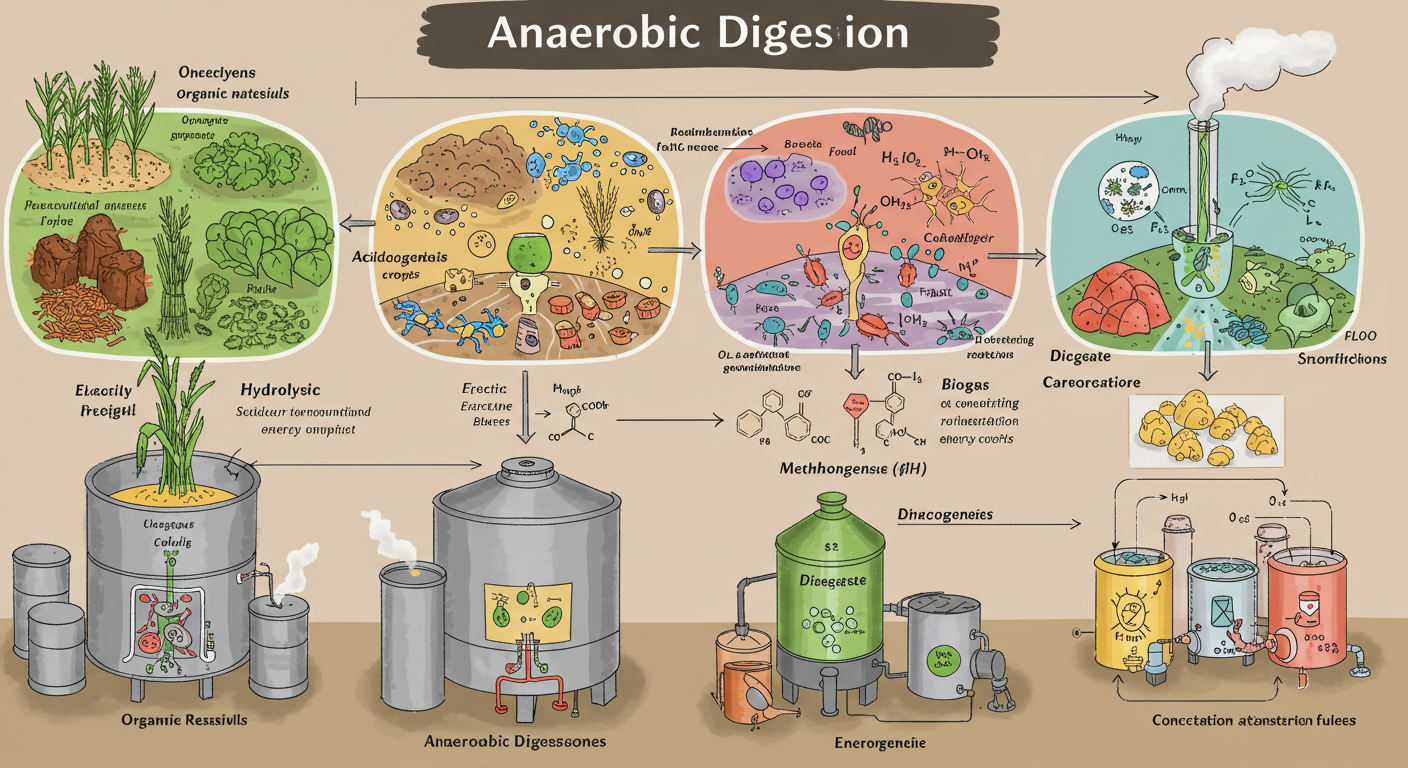
These hunger-driven microbes work in stages to feast on organic waste—everything from food scraps and livestock manure to wastewater sludge. First, complex polymers are broken down into simpler soluble compounds. Next, acid-forming bacteria convert these compounds into volatile fatty acids. Finally, a unique group of microorganisms called methanogens takes over, transforming those acids into biogas—a potent mixture consisting primarily of methane and carbon dioxide. What remains at the end of this microscopic feast is digestate, a nutrient-rich material that serves as an excellent organic fertilizer.
However, these microorganisms require highly specific conditions to thrive: a strictly managed temperature, a balanced pH level, and a steady, predictable diet. If the environment becomes too acidic or the temperature drops, the microbial community can stall or collapse entirely.
This delicate biological balance is precisely why the process cannot be left to chance. To capture methane effectively and prevent it from escaping into the atmosphere as a greenhouse gas, we need sophisticated human infrastructure. Engineering massive, airtight digestion tanks, monitoring chemical balances, and safely routing the resulting biogas into clean energy requires technical oversight. It is this exact intersection of biological science and industrial engineering that turns an invisible natural process into a massive engine for green employment.
Mapping the Biogas Job Landscape
The rapid expansion of the biogas industry is fueling a diverse green job market, requiring a blend of technical, scientific, and operational expertise. As organic waste is transformed into renewable energy, several distinct career paths have emerged:
-
Engineering: This is the blueprint phase. Mechanical, chemical, and civil engineers design the anaerobic digesters, optimize gas purification systems, and integrate biogas plants into existing power grids or natural gas pipelines.
-
Plant Operations: The frontline of production. Operations managers and technicians oversee daily facility workflows, maintain complex machinery, monitor safety protocols, and ensure continuous, efficient energy generation.
-
Waste Hauling & Logistics: The supply chain backbone. Logistics coordinators and commercial drivers manage the steady inflow of organic feedstock—such as agricultural waste, food scraps, and wastewater sludge—ensuring timely delivery to the plant.
-
Biology & Chemistry: The science behind the fuel. Microbiologists and laboratory technicians analyze feedstock composition, monitor the health of the anaerobic bacteria, and fine-tune chemical balances to maximize methane yield.
-
Project Management & Development: Driving growth from concept to completion. Project managers navigate regulatory compliance, secure environmental permits, manage budgets, and coordinate cross-functional teams to bring new facilities online.
From laboratory research to heavy machinery operation, the biogas sector offers a robust ecosystem of sustainable careers vital to the global energy transition.
Boosting Rural Economies and Agriculture
Integrating anaerobic digesters directly onto farms transforms traditional agriculture into a dual-revenue powerhouse. By converting livestock manure, crop residues, and food waste into renewable natural gas (RNG) and nutrient-rich digestate, farmers unlock vital alternative revenue streams. They can sell energy back to the grid, utilize the organic digestate as a high-quality substitute for synthetic fertilizers, and drastically lower their own operational costs.
This localized energy model provides a crucial economic shield against volatile commodity markets.
These facilities create stable positions for:
-
Maintenance technicians to service on-farm equipment.
-
Logistics personnel to manage localized feedstock distribution.
-
Biogas plant managers to oversee daily agricultural energy production.
Construction: Building the Infrastructure
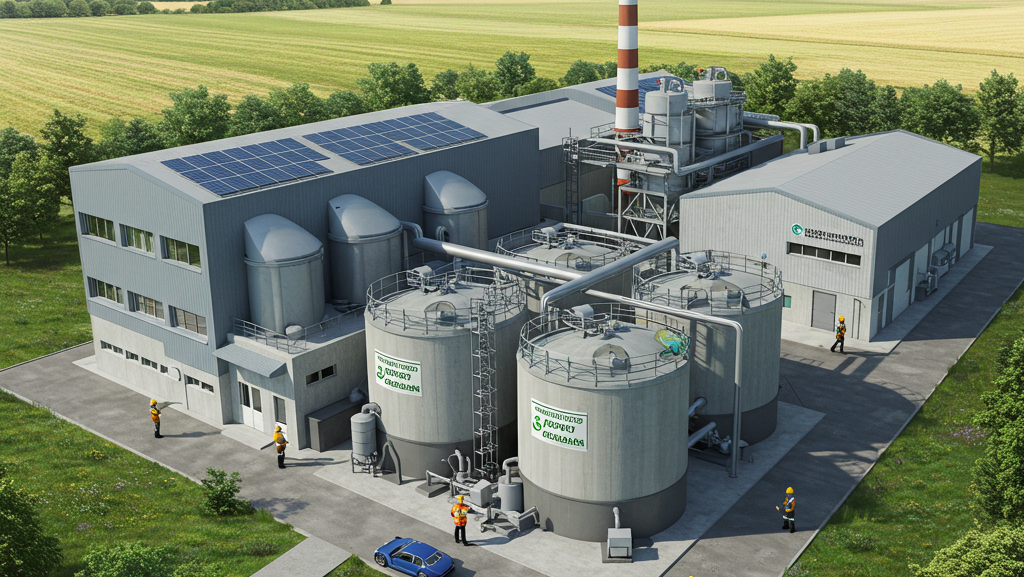
The transition to a bio-based economy triggers an immediate, tangible surge in local economic activity long before the first cubic meter of methane is produced. Building modern anaerobic digestion facilities and renewable natural gas (RNG) refineries requires a massive injection of capital and a highly skilled workforce, turning the construction phase into a powerful short- and medium-term economic stimulus.
Unlike centralized fossil fuel plants, biogas projects are inherently decentralized. They are built near agricultural centers, food processing hubs, and municipal waste facilities, meaning the economic benefits are funneled directly into rural and suburban communities. The development of these complex industrial systems demands a diverse labor force. Civil construction workers lay the groundwork, excavating massive structural footprints and pouring the specialized concrete required for airtight digestion tanks.
As the infrastructure rises, the demand shifts toward specialized trades:
-
Pipefitters and Welders: Essential for assembling the intricate networks of stainless-steel piping that transport corrosive substrates, digestate, and raw biogas.
-
Electricians and Instrument Technicians: Required to install complex automated control systems, safety sensors, and grid-connection infrastructure.
-
Heavy Equipment Operators: Crucial for managing the constant logistical movement of heavy materials and prefabricated components across the site.
This intense building phase creates a powerful economic multiplier effect.
Closing the Loop: The Circular Economy and Secondary Markets
Biogas production is fundamentally transforming waste management into a self-sustaining economic engine. Beyond generating clean energy, the anaerobic digestion process yields valuable byproducts that feed directly back into the circular economy, creating robust secondary industries and local employment.
A prime example is digestate, the nutrient-rich material left behind after digestion. Instead of being discarded, it is processed and sold as a high-grade biofertilizer. This creates specialized jobs in nutrient management, blending, and agricultural distribution, while offering farmers a sustainable alternative to chemical fertilizers.
Simultaneously, upgrading raw biogas into Renewable Natural Gas (RNG) opens highly technical employment pathways. Processing facilities require skilled technicians and engineers to purify the gas to pipeline standards. This RNG is then diverted to the transportation sector, fueling heavy-duty fleets and driving job growth in green logistics, ultimately turning local organic waste into economic resilience.
Conclusion: Driving the Future of Green Employment
Anaerobic digestion represents far more than a technical triumph over organic waste; it is a vital catalyst for economic and environmental resilience. By seamlessly blending biological science with industrial engineering, the biogas sector has unlocked a diverse and robust job market. From the initial blueprint drawn by engineers to the specialized trades executing decentralized construction, each phase of development injects tangible economic vitality into local communities—particularly in rural areas that are often left behind by traditional industrial growth.
Furthermore, by embracing a circular economy model, the industry looks well beyond simple energy generation. Transforming byproducts into high-grade biofertilizers and upgrading raw biogas into pipeline-ready Renewable Natural Gas establishes self-sustaining secondary markets. These innovations generate long-term, technical employment pathways in green logistics, laboratory research, and facility operations.
Ultimately, the expansion of anaerobic digestion proves that environmental stewardship and economic prosperity are not mutually exclusive. As nations accelerate their transition toward renewable energy, the biogas industry stands out as a premier engine for sustainable employment, turning our daily waste streams into a powerful, permanent workforce for a greener tomorrow.