What it is
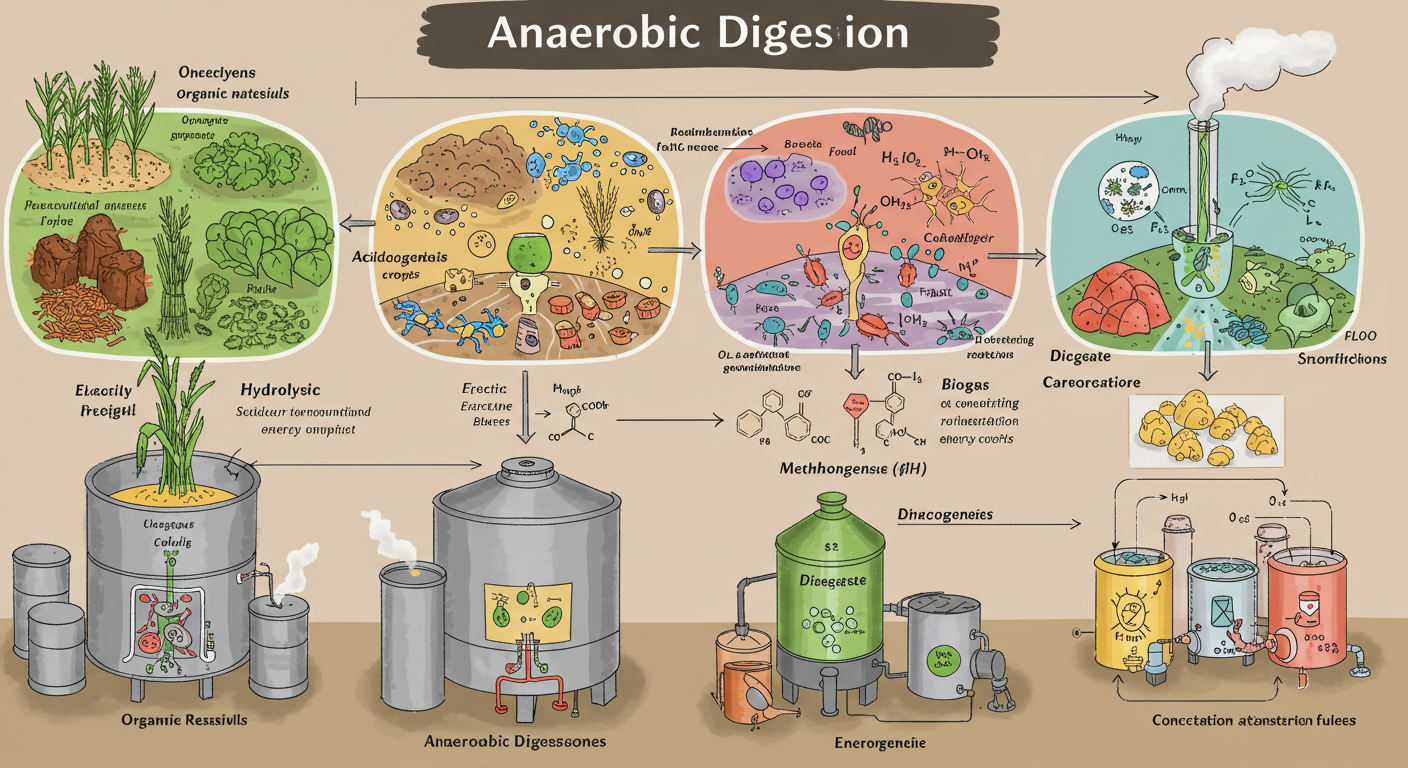
Anaerobic digestion (AD) is a process where microbes break down food waste without oxygen. In sealed tanks, they produce biogas (mostly methane) and a nutrient-rich leftover called digestate. Food businesses can use AD to turn leftovers into energy and useful material.
Why food companies care
Cut waste costs: AD reduces the amount of food waste sent to landfill and the fees that come with it.
Energy from leftovers: Biogas can be used for heat, electricity, or upgraded to biomethane for vehicles — lowering energy bills and fossil fuel use.
Better sustainability reporting: Using AD helps meet waste and carbon targets and looks good in sustainability reports.
Where it fits in the food chain
- Food processors: Peelings, trimmings, and by-products from factories are ideal feedstock.
- Supermarkets and wholesalers: Unsold produce and bakery waste can be diverted to AD.
- Restaurants and catering: Kitchens can collect food scraps for on-site or local AD treatment.
Practical benefits
Stable energy: Biogas provides a steady, controllable energy source compared with intermittent renewables.
Reduced odors and pests: Treating food waste quickly lowers smell and vermin risks.
Circular outputs: Digestate can be used as fertilizer or soil improver, closing nutrient loops if quality standards are met.
How businesses implement it
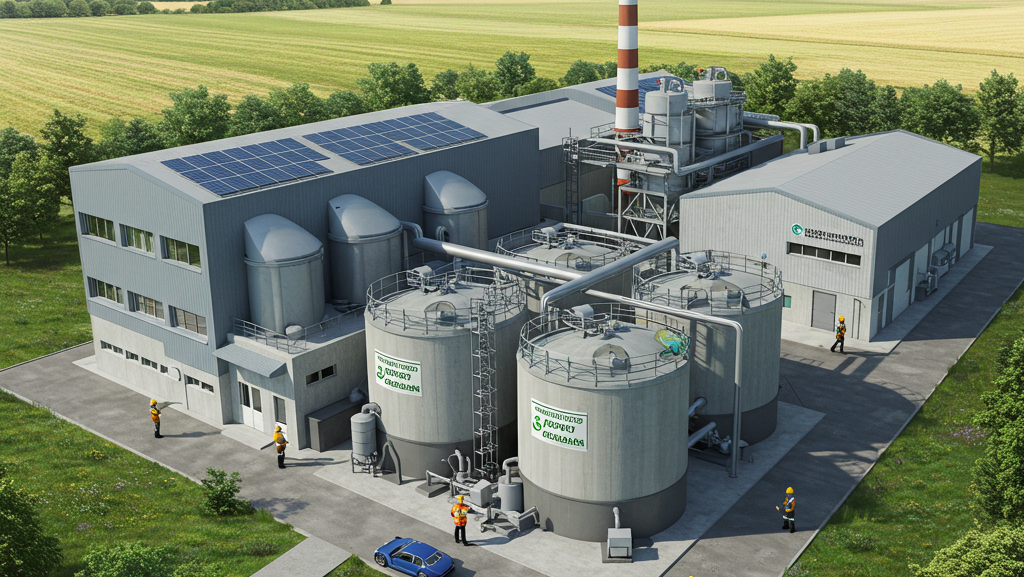
On-site digesters: Useful for large processors or hotels that generate lots of waste; they cut transport costs and give direct energy use.
Local or centralized plants: Smaller businesses can partner with municipal or private AD facilities to take their food waste offsite.
Product partnerships: Some firms sell by-products (e.g., oil, pulp) to AD operators to reduce disposal costs.
Simple tips to get started
- Sort waste: Keep food waste separate and free of contaminants (plastics, metal).
- Track volumes: Know how much wet waste you produce to pick the right solution.
- Test feedstock: High-fat or oily wastes boost gas but need careful dosing.
- Local requirements: Permits, waste transport rules, and digestate standards vary.
Limits and risks
AD needs investment, regular management, and contamination control. Digestate quality must be checked before agricultural use. Methane leaks reduce climate gains, so systems must be well maintained.
Anaerobic digestion offers the food industry a practical way to cut waste, produce energy, and recycle nutrients. With the right setup and controls, it’s a smart step toward greener operations.