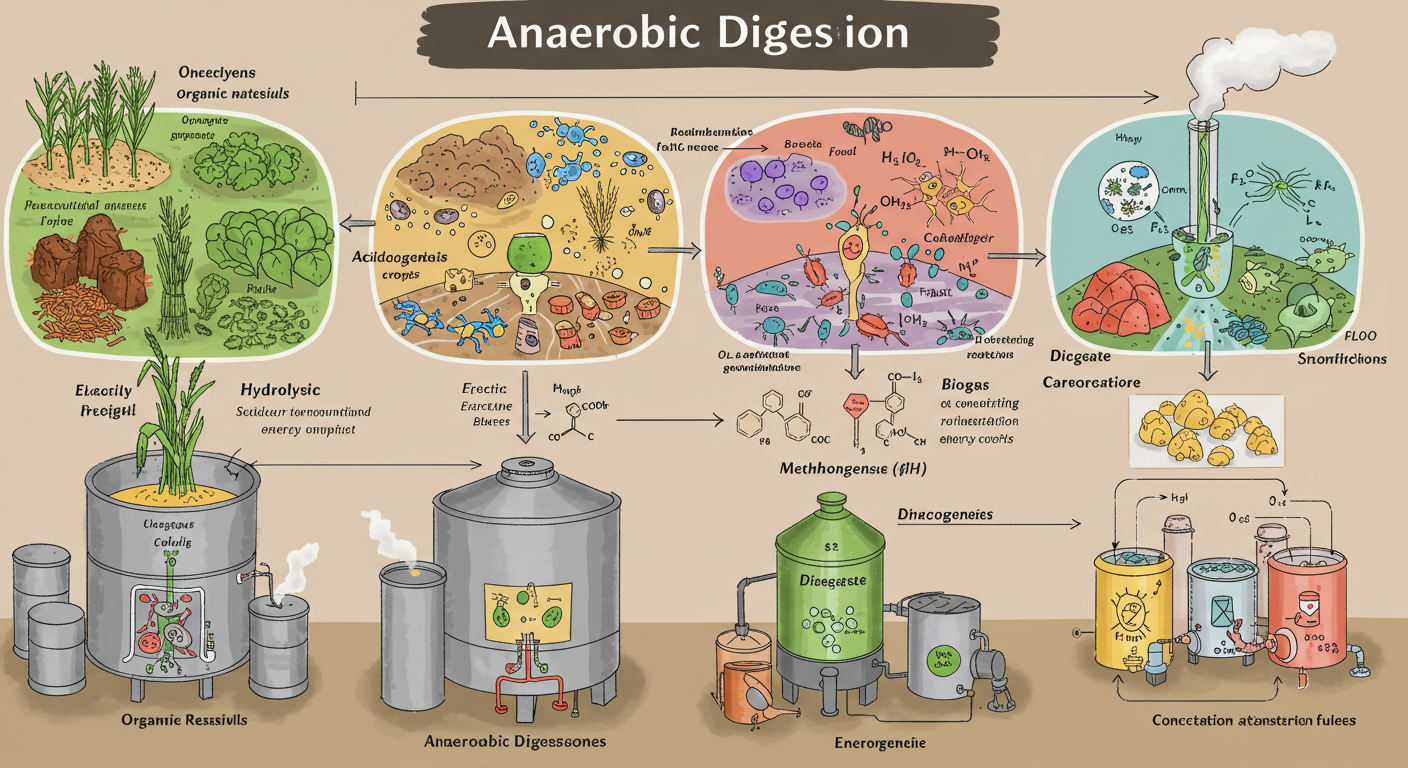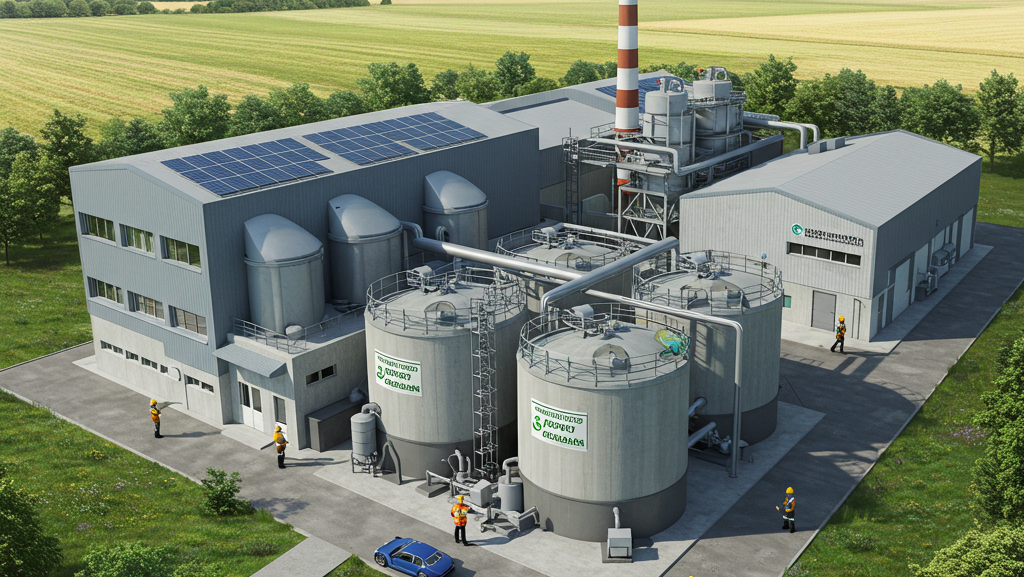
Biogas from digesters is great, but raw biogas isn’t always ready for use. It’s mostly methane and carbon dioxide, plus a bit of hydrogen sulfide, moisture, and other gases. Upgrading turns biogas into biomethane — a cleaner, higher-value gas that can heat homes, fuel vehicles, or be injected into gas grids. Here’s a friendly, simple guide to how upgrading works, why it matters, and what to watch for.
Why upgrade biogas?
- Higher energy value: Removing CO2 and impurities raises the methane share, so biomethane gives more usable energy per cubic meter.
- Wider uses: Engines, boilers, and gas grids need cleaner gas. Vehicles and pipelines need high-purity methane.
- Better economics: Biomethane can sell for more than raw biogas, and it can qualify for renewable gas incentives in some places.
- Easier storage and transport: Cleaner gas compresses and stores better for vehicles or long-term storage.
Main upgradin methods (simple overview)
- Water scrubbing:
- How it works: Pressurized water absorbs CO2 and some impurities while methane stays mostly in the gas phase.
- Good for: Medium-scale plants. It’s simple and robust but uses water and needs treatment of the CO2-rich water.
- Pressure Swing Absorption (PSA):
- How it works: Gas is pushed through beds that trap CO2 and other gases at high pressure; methane passes through and is recovered when pressure is lowered.
- Good for: High purity needs and variable flows. PSA is common for vehicle fuel production.
- Chemical absorption (amine scrubbing):
- How it works: Specialized liquids (amines) bind CO2 chemically; later the CO2 is released by heating the liquid for reuse.
- Good for: Large, steady plants where high CO2 removal is needed. It’s energy-intensive but very effective.
- Membrane separation:
- How it works: Gas passes through membranes that let CO2 through faster than methane, separating the two streams.
- Good for: Compact systems and modular setups; lower footprint and easy to scale.
- Physical solvents and cryogenic:
- How it works: Special solvents or cold temperatures separate CO2. Cryogenic cooling condenses CO2 and other gases.
- Good for: Very high purity or when by-product CO2 recovery is useful, but these can be complex and costly.
- Simple polishing (for H2S and moisture):
- Iron-based scrubbers, biofilters, activated carbon, and drying units remove bad smells, corrosive gases, and water vapor before or after upgrading.
Key steps in an upgrading plant
- Pre-treatment: Remove solids, grease, and high H2S levels first. That protects equipment and improves performance.
- CO2 and impurity removal: Choose the right main separation tech based on scale, purity needs, and budget.
- Polishing: Final filters and dryers ensure the gas meets grid or vehicle standards.
- Compression and storage: Biomethane is often compressed (CNG) for transport or stored in tanks before use.
- Monitoring: Flow, methane content, H2S, and moisture need regular checks to keep things safe and legal.
Choosing the right tech
- Scale matters: Small farms may prefer simple membrane or small PSA units; large plants may use amines or advanced PSA systems.
- Quality needs: Vehicle fuel or grid injection has strict methane and impurant specs — pick tech that reliably meets those.
- Costs and energy use: Some methods consume more energy (amine regeneration, cryogenics). Factor operating costs, not just capital costs.
- Local conditions: Water availability, ambient temperature, and access to maintenance help decide the best option.
Practical tips and pitfalls
- Protect equipment: High H2S corrodes metal — always include H2S removal before upgrading.
- Match feed stability: Upgrading tech works best with steady gas flow and composition. Buffer gas storage or equalization helps handle ups and downs.
- Consider by-products: CO2 captured during upgrading can be used in greenhouses or industrial uses if markets exist; otherwise plan for safe release or storage.
- Plan for safety: High pressures, methane flammability, and toxic H2S mean good ventilation, alarms, and trained staff are essential.
- Think lifecycle: Account for energy used in upgrading when calculating greenhouse gas savings — some methods need more power and can reduce net climate benefit if electricity is fossil-based.
Where biomethane fits in
Biomethane is a drop-in renewable gas — it plugs into many existing systems. It’s especially useful where electricity isn’t a good fit: long-distance transport, heavy-duty trucks, industry heat, and seasonal heating. When made from waste, biomethane also cuts methane emissions that would otherwise leak from rotting organic material.
Upgrading biogas to biomethane makes waste-derived gas more useful, valuable, and flexible. The best tech choice depends on your scale, budget, and end use. With proper pre-treatment, H2S control, and smart system design, upgrading turns simple biogas into a clean, practical fuel that helps cut emissions and replace fossil gas.