When we flip a light switch or plug in a device, we rarely consider the grueling journey that electricity took to reach us. For over a century, our global energy model has relied on the concept of massive “energy miles”—the carbon-heavy, geopolitically fraught process of extracting fossil fuels in one corner of the world, refining them in another, and transporting them across oceans and continents to power our homes. This system is inefficient, and it also leaves communities vulnerable to supply chain disruptions and global price volatility.
Every day, our communities generate mountains of organic waste: municipal food scraps, stale restaurant tossed-outs, agricultural runoff from nearby farms, and wastewater sludge. Through decentralized anaerobic digestion, this localized waste is immediately converted into community power. By shortening energy miles to just a few community blocks, we can transform local liabilities into a resilient, self-sustaining engine of regional power.
Harnessing Proximity: Processing Available Feedstock
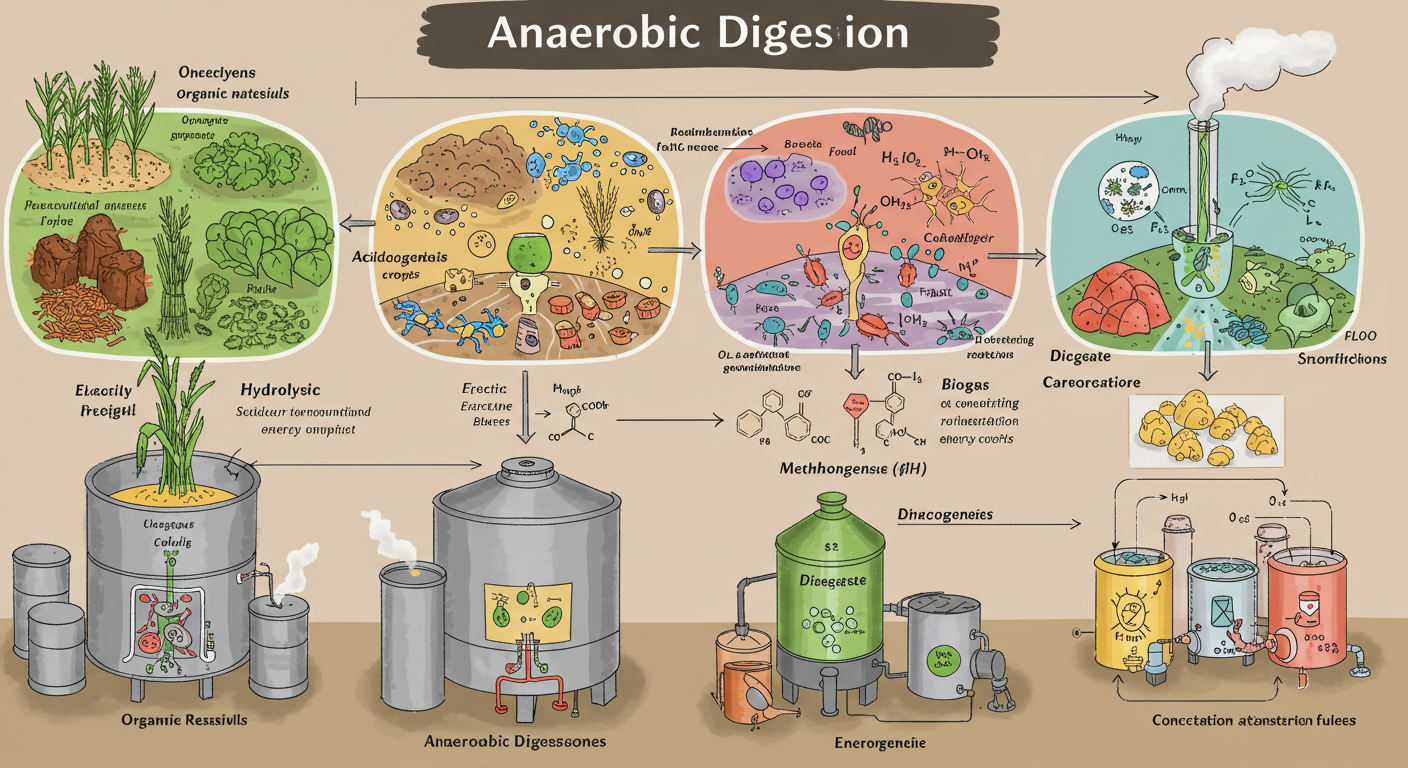
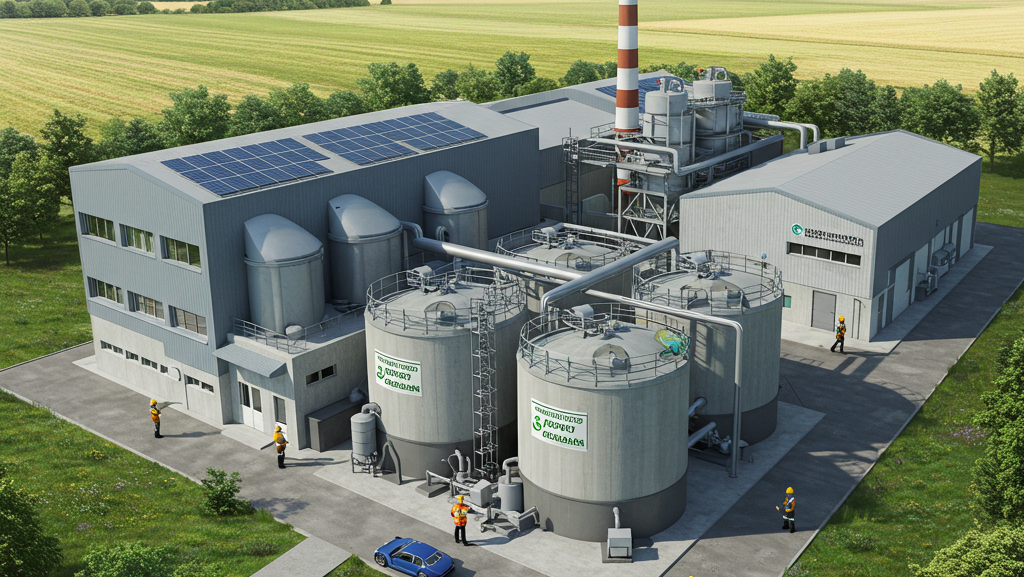
When your community’s organic waste is already collected and sitting at a centralized local hub—such as a municipal yard, a regional wastewater plant, or an agricultural co-op—the logistical hurdle of long-distance transport is already solved. The next actionable step is to feed this ready supply directly into an energy production system such as anaerobic digestion system to generate immediate power.
To convert this available material efficiently, focus on three operational steps:
-
Implement Continuous Loading: Because the waste is already on-site, establish a steady, automated feed into the digestion tanks. Rather than processing batches sporadically, a consistent hourly feed keeps the internal microbial community stable and ensures a constant, predictable output of biogas.
-
Balance the Feedstock Recipe: Local waste is rarely uniform. To maximize methane production, mix high-energy carbon waste (like restaurant food scraps) with stable nitrogen sources (like wastewater sludge or manure) already present at the facility. Maintaining this balanced “diet” ensures the digester operates at peak biological efficiency.
-
Capture and Route Immediately: As the organic material breaks down inside the sealed tanks, the raw biogas rises naturally. Channel this gas directly into on-site processing equipment—such as a combined heat and power (CHP) unit to generate electricity for the local grid, or a purification system to create vehicle fuel.
By taking immediate action on the waste already gathered at your doorstep, you eliminate storage bottlenecks, eliminate processing delays, and convert local refuse into usable energy with maximum efficiency.
Securing the Feedstock: Building the Community Supply Chain
To keep a local digester running, you need a steady, predictable supply of organic material. Because you are relying on what is already available nearby, you must map out and secure specific “micro-feedstocks.” This requires setting up formal agreements with community or nearby hubs that generate high volumes of organic waste daily.
Start by targeting three primary sources:
-
Commercial and Institutional Partnerships: Establish agreements with local grocery stores and school districts. Supermarkets provide a reliable stream of high-energy produce and bakery discards, while school cafeterias offer consistent, high-volume food waste during the academic year.
-
Municipal Infrastructure Integration: Connect the system directly to the local wastewater treatment plant. The nutrient-dense sludge generated during water treatment serves as an excellent, continuous baseline feedstock for the digester.
-
Agricultural Collaborations: Partner with nearby urban farms or local dairies to capture crop residues and manure, which help stabilize the digestion process.
The secret to maximizing energy yield from these sources depends on smart waste separation and management. If plastic forks, glass bottles, or chemical cleaners enter the energy production system such as the digester, they can damage the equipment and potentially kill the beneficial bacteria.
To prevent contamination, implement a strict source-separation protocol. For commercial partners, provide dedicated, clearly labeled organic bins directly in kitchens and prep areas. For household participation, distribute aerated countertop bins specifically for food scraps, backed by clear educational guidelines on what can be digested (meat, dairy, produce) versus what cannot (packaging, diapers).
By organizing these local entities into a coordinated network and ensuring clean, contaminant-free sorting at the point of disposal, you establish a reliable, high-yield fuel pipeline derived entirely from everyday community operations.
Turning Waste into Local Wealth
Local organic waste is not a burdensome liability to be trucked away and buried; it is a highly valuable, untapped asset sitting right at our doorstep. By deploying community-scale anaerobic digestion, we transform everyday food scraps, wastewater sludge, and agricultural leftovers into a reliable source of clean energy and high-grade biofertilizer. This process keeps valuable resources circulating right where they are generated, providing immediate economic and operational value to the community.
The future of green energy does not rely solely on massive, sprawling wind or solar farms that require complex grid expansions. Real sustainability is found in the hyper-local, quiet revolution of community-scale waste-to-energy systems.
Taking action is straightforward: audit your local waste streams, establish partnerships with nearby commercial and municipal hubs, and invest in decentralized infrastructure. By shifting our perspective and viewing local refuse as a premium fuel source, we can take control of our energy production, slash municipal disposal costs, and power our communities using the very resources we create every single day.
Your Action Plan for Local Energy
Generating energy from your community’s waste comes down to clear, practical operations. If you are a farmer, local facility manager, or community organizer, you can get this system running by focusing entirely on three core execution steps:
-
Secure Clean Fuel: Set up direct agreements with local grocery stores, school cafeterias, and wastewater plants to lock in your daily feedstock. Protect your equipment by enforcing strict sorting at the source—use clearly labeled bins to keep plastics, glass, and chemicals out of your intake.
-
Maintain the System’s Balance: Feed the digester on a consistent, hourly schedule to keep the system stable. Mix high-carbon food scraps with nitrogen-rich manure or wastewater sludge to create a balanced mix that yields the maximum amount of gas.
-
Capture and Use the Power: Route the rising biogas immediately into a combined heat and power (CHP) unit for local grid electricity, or into a purification system for vehicle fuel.
By auditing what your area already throws away and establishing local collection partnerships, you can lower your operational costs and turn everyday local waste into a reliable, self-sustaining source of power and high-grade fertilizer.